Asana acquires StackAI — now every human-agent workflow runs in one place.Learn more
Schedule template
Plan your day, week, or month with a ready-made schedule template to organize tasks, assign work, manage recurring responsibilities, and track deadlines. Give your team a shared schedule for projects, meetings, shift work, and day-to-day planning.
Create your templateSign up to create your own template.
INTEGRATED FEATURES
Recommended apps




Summary
Time management shouldn't feel like a full-time job. Whether you're planning your workday, coordinating team schedules, or organizing daily tasks, a schedule template can help you make the most of every hour. In this guide, you'll learn what a schedule template is, explore the types that fit daily, weekly, and monthly planning, and walk through how to set one up with Asana templates.
What is a schedule template?
A schedule template is a pre-formatted layout that organizes tasks, appointments, and responsibilities across a set timeframe, such as a day, a week, or a month. Instead of building a plan from scratch, you start with a repeatable structure and customize it to match your workflow.
Schedule templates can be as simple as a daily to-do list or as detailed as a multi-week project plan with assigned tasks, due dates, and dependencies. The goal is the same: give you and your team an overview of what needs to happen and when.
You can use a spreadsheet, a printable planner, or a digital work management tool like Asana. The format matters less than the habit; a good template removes the guesswork from planning so you can focus on the work itself.
Types of schedule templates
Schedule templates come in several formats, and each serves a different purpose. Choosing the right type depends on how far ahead you need to plan and how detailed your tasks are.
1. Daily schedule template
A daily schedule template is ideal for time blocking and managing immediate priorities. It helps you organize your workday hour by hour, ensuring you have dedicated time for deep work and meetings without feeling overwhelmed.
2. Weekly schedule template
A weekly schedule template gives you a broader view of your tasks and commitments across five to seven days. It's a good fit for team leads managing workloads, educators planning lessons, or anyone coordinating recurring activities that require strong team coordination.
3. Monthly schedule template
A monthly schedule template is useful for long-range planning, project milestones, and recurring events. It gives you a high-level overview so you can track deadlines, plan campaigns, and coordinate across teams.
4. Shift and employee schedule templates
Shift and employee schedule templates are designed for teams that need to coordinate work hours, rotations, and coverage. Whether you manage a retail floor, a restaurant, or a field crew, these templates help you assign shifts, track availability, and reduce scheduling conflicts.
Why use an Asana schedule template?
We built this to solve a problem we hear all the time: "I know what I need to do, but I'm not sure when to do it." That gap can lead to missed deadlines and a constant sense of scrambling to keep up. A digital schedule template bridges that gap by keeping you and your team organized, preventing missed deadlines, and helping you prioritize tasks more effectively.
Businesses using Asana often report faster turnaround times, fewer rescheduled meetings, and greater clarity on who's working on what. This means fewer delays and more projects delivered on time and under budget.
Read: Free work schedule template for any schedule or taskHere's why using a repeatable template works:
Plan faster with a built-in structure using templates for daily, weekly, or monthly schedules.
Reduce scheduling conflicts with due times and task dependencies in Asana.
Visualize your tasks with color-coded Calendar and Timeline Views that reveal gaps and overlaps.
Customize any workflow, from workout routines to social media calendars, right in Asana.
Collaborate in real time by assigning work and sharing updates within Asana.
Adapt it to any timeframe as a daily planner template, weekly schedule template, or monthly calendar template.
Who is this schedule template perfect for?
We hear from many teams that have transformed their productivity by simply adopting a more intentional scheduling system. One small business owner said their employee schedule used to be posted on a break room whiteboard, but missed changes caused problems. Now, they use an Asana schedule template so the team can view updates and swap shifts on their phones.
This scheduling template works well for:
Project managers needing a structured way to plan weekly tasks and due dates.
Operations teams coordinating employee schedules or daily workflows.
Students and educators building a recurring class schedule template.
Remote teams syncing across time zones and managing tasks.
Contractors or field teams using a construction schedule template to coordinate work schedules and project timelines.
Households organizing cleaning schedules or household chores.
Personal trainers and coaches creating workout schedules for clients or training schedules for athletic programs.
Whether you're organizing daily routines, managing a household, or coordinating team projects, this template is suitable for simple schedules and customizable enough to support complex workflows.
How to use this schedule template
The work schedule template gives your team a simple way to organize tasks, manage time, and define responsibilities. Follow these steps to build a schedule that supports both productivity and accountability.
1. Duplicate the template and set it up
Click "Use template" to create your copy in Asana. Give the project a name that matches your workflow, such as "Social Media Calendar," "Team Schedule," or "My Morning Routine." Naming helps every teammate recognize what the schedule represents.
Once the project is created, add a short description that outlines its purpose. When the schedule has context, teammates understand why tasks exist and how to use the template effectively.
2. Name and organize your tasks
Write task titles that describe precisely what happens during each block of time. Include details such as start dates, times, and brief descriptions, so teammates know what to expect. Naming reduces the risk of confusion.
Organize tasks so that the flow is easy to scan. Teams often group morning priorities together, while personal projects or admin tasks appear later in the schedule. Logical organization makes the template more useful every day.
3. Assign work and set due times
Assign each task to a specific teammate. Use due times when activities need to happen at exact hours, such as meetings or deadlines. This approach ensures that no one misses time-sensitive responsibilities.
When you assign work, team members understand expectations. Managers can also see who owns each block of time, which helps balance workloads across the schedule.
4. Group tasks in ways that fit your workflow
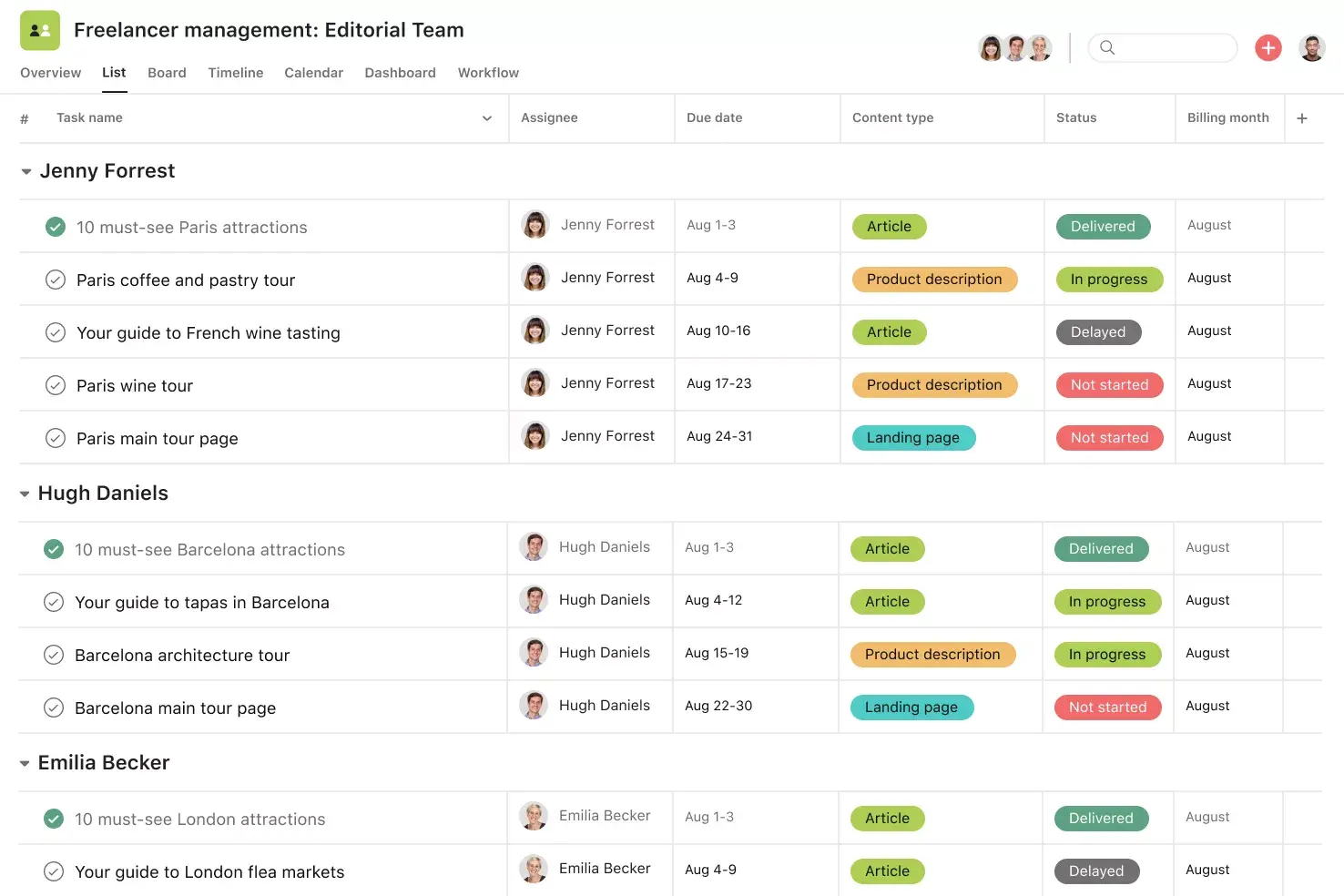
Break tasks into categories that reflect how your team works. You might group by days of the week, project type, or task category, such as Meetings, Focus Time, or Admin. This creates a schedule that matches how your team thinks and operates.
Grouping tasks this way also helps identify patterns. For example, a manager who notices too many meetings in one category can adjust to protect focus time.
5. Customize with custom fields
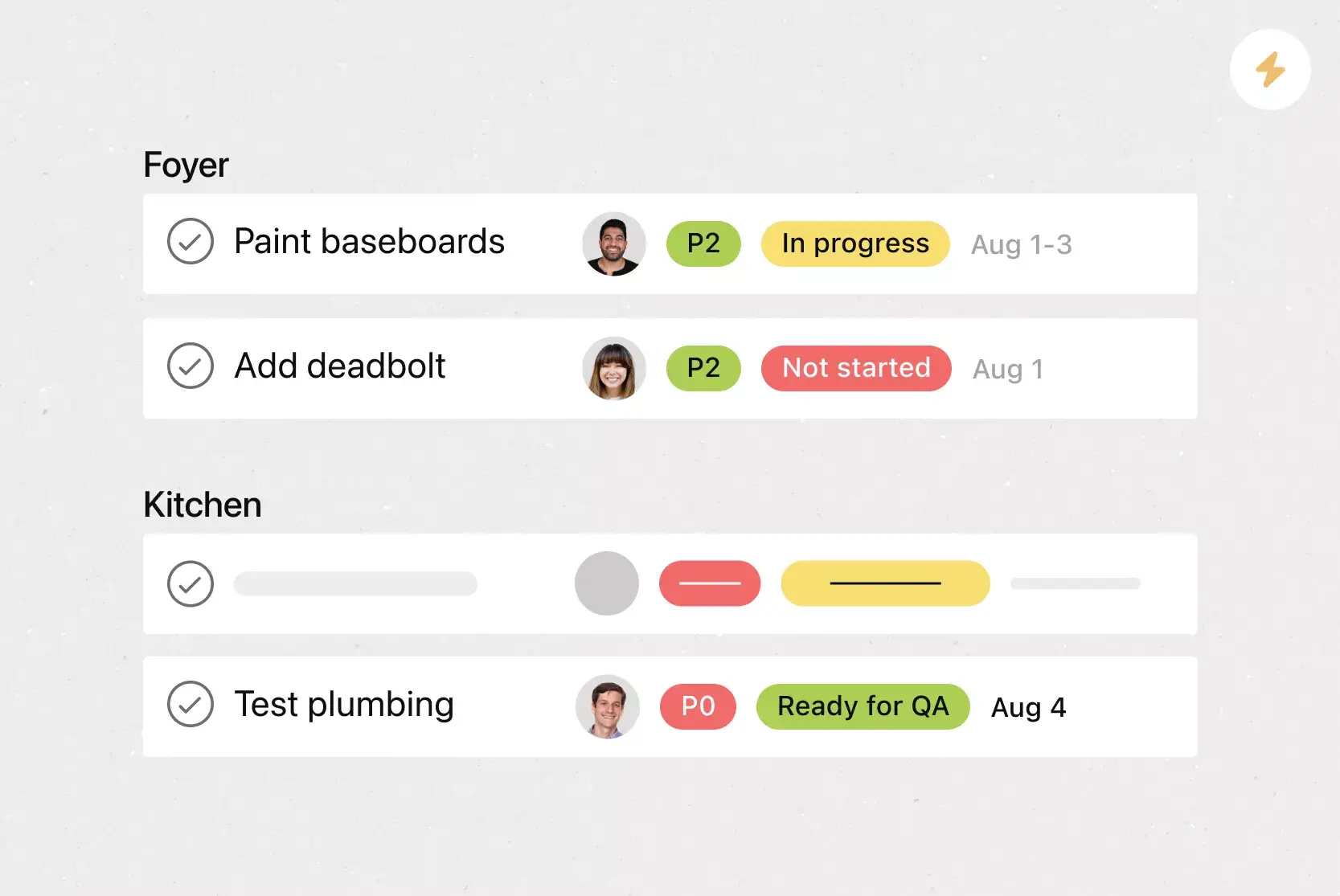
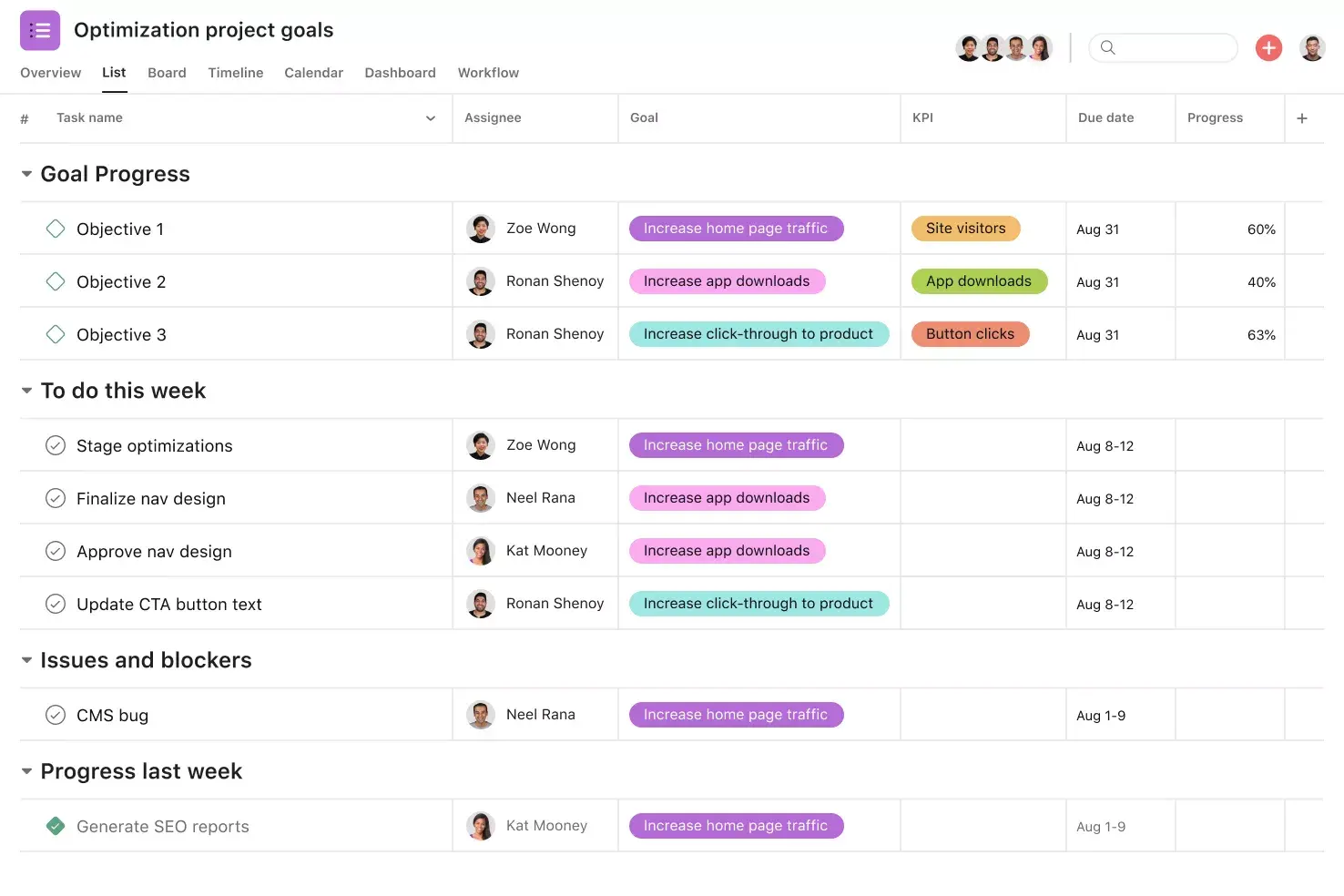
Add custom fields to capture details that go beyond basic task names. These fields give managers insight into effort and help teammates organize tasks at a glance.
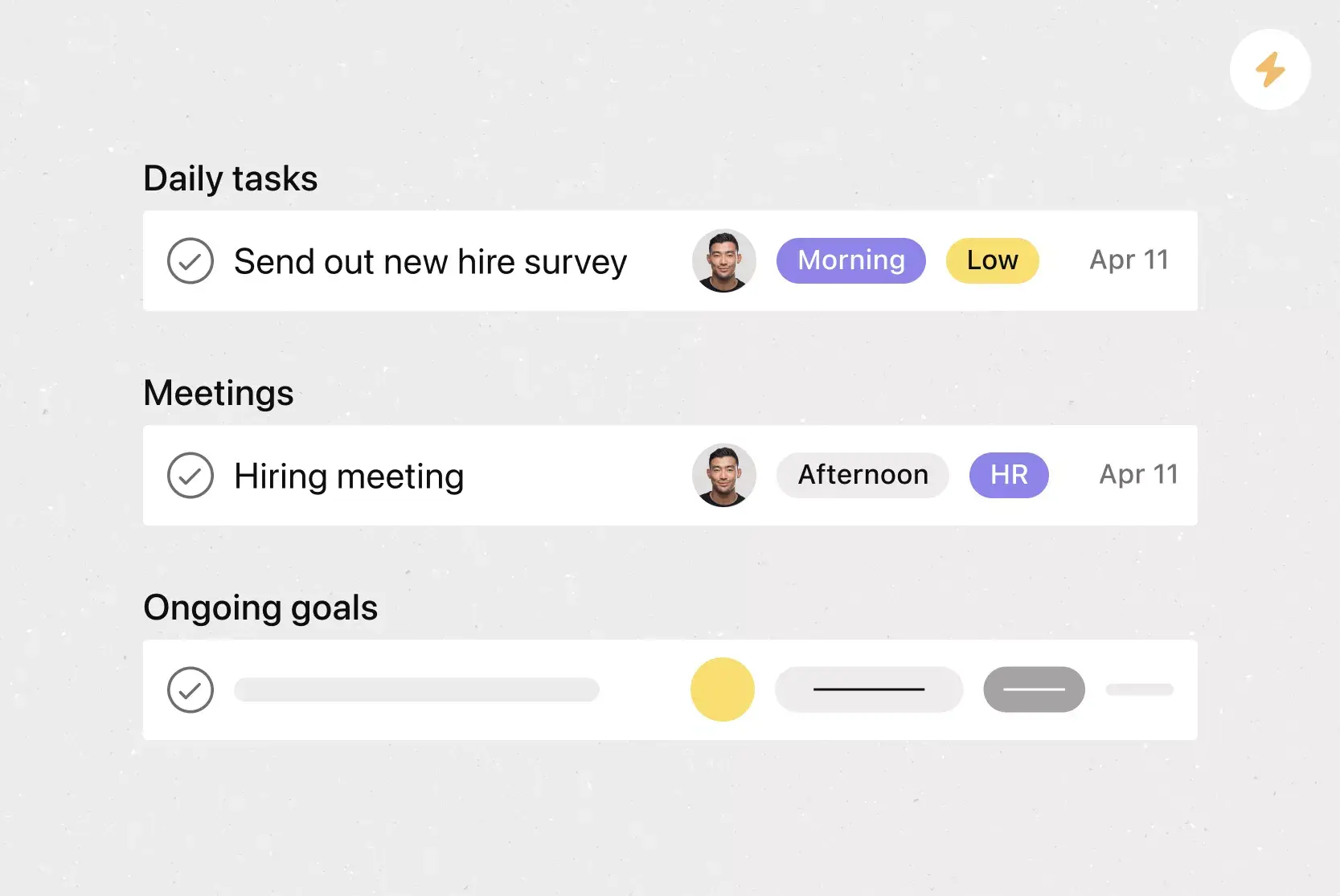
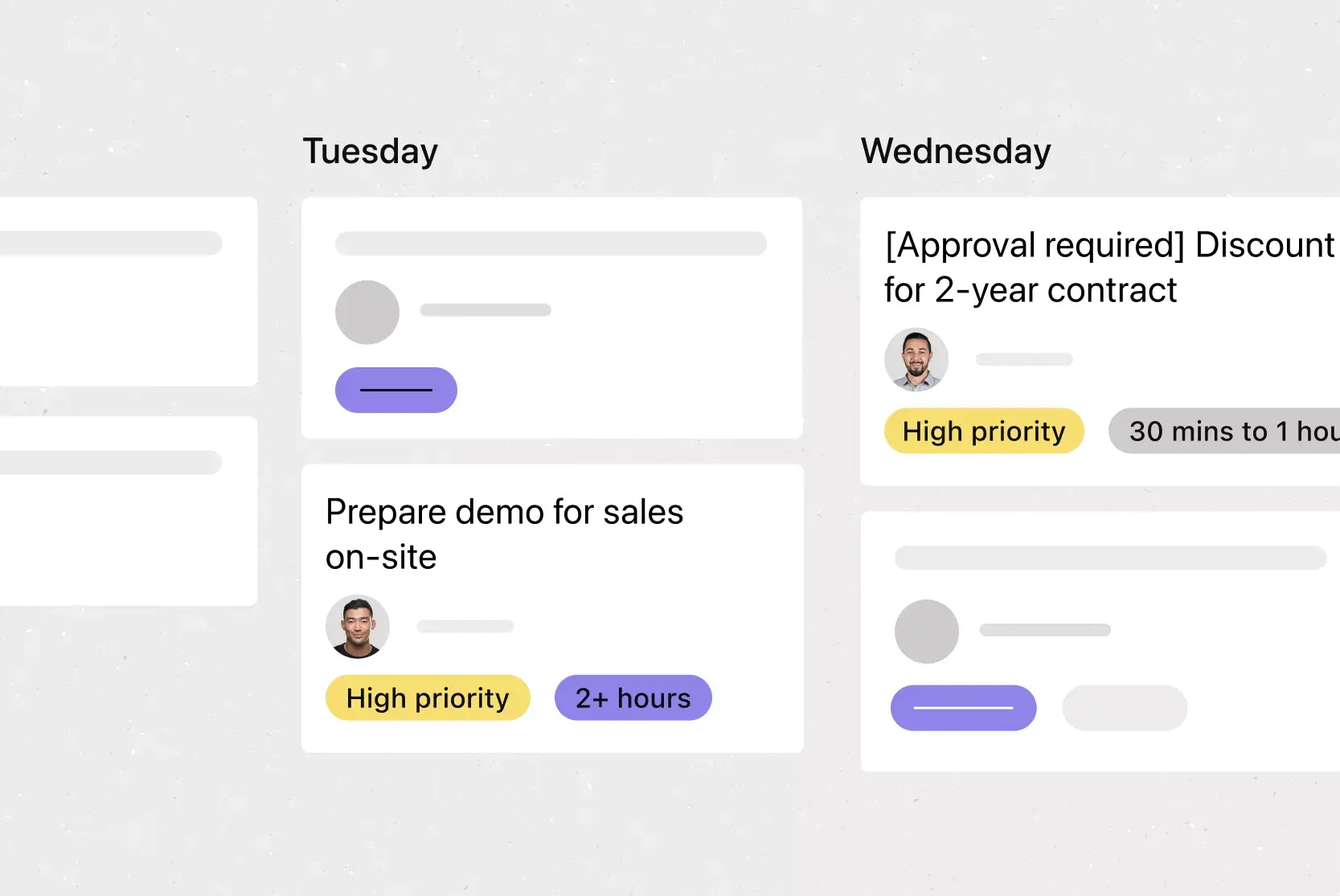
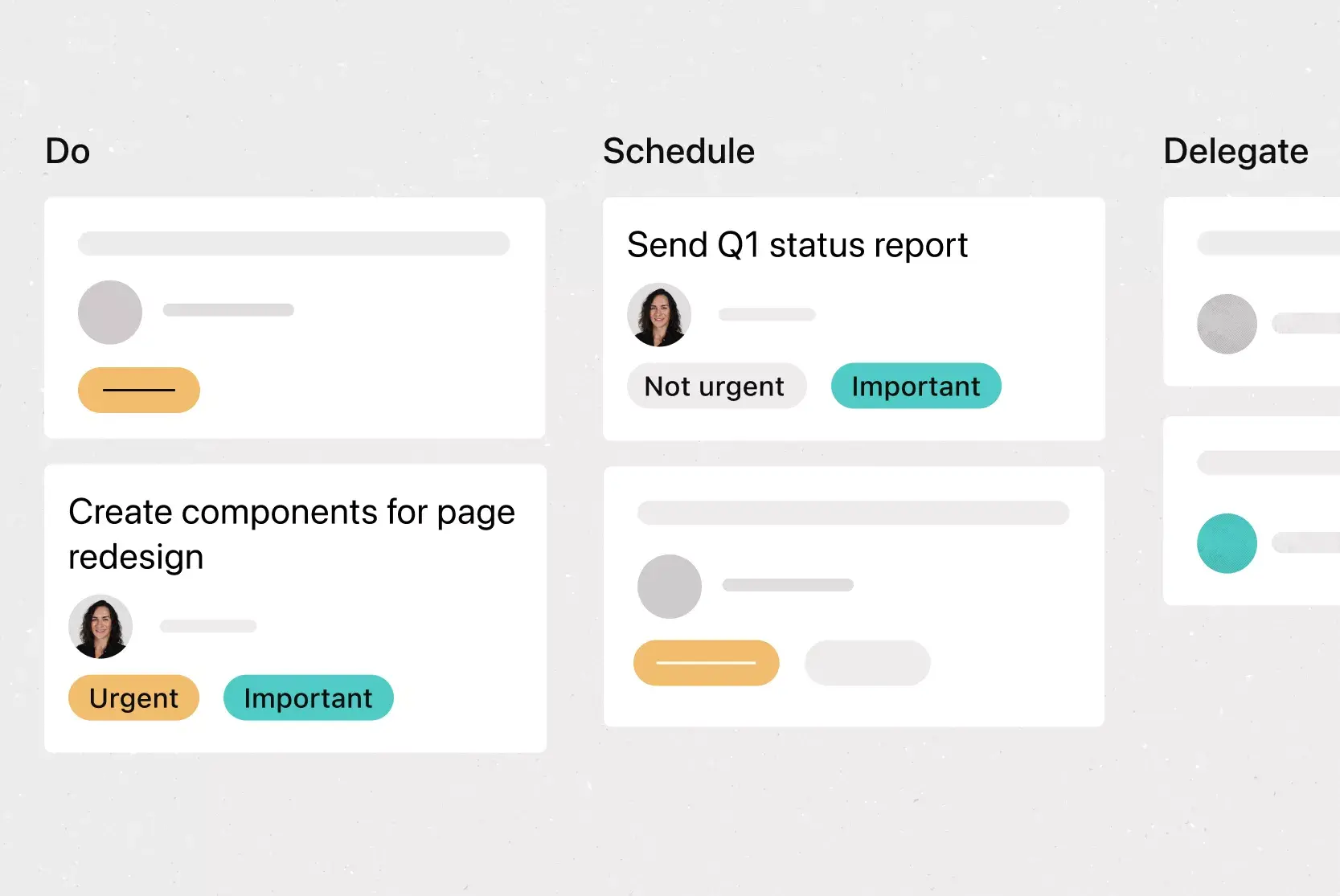
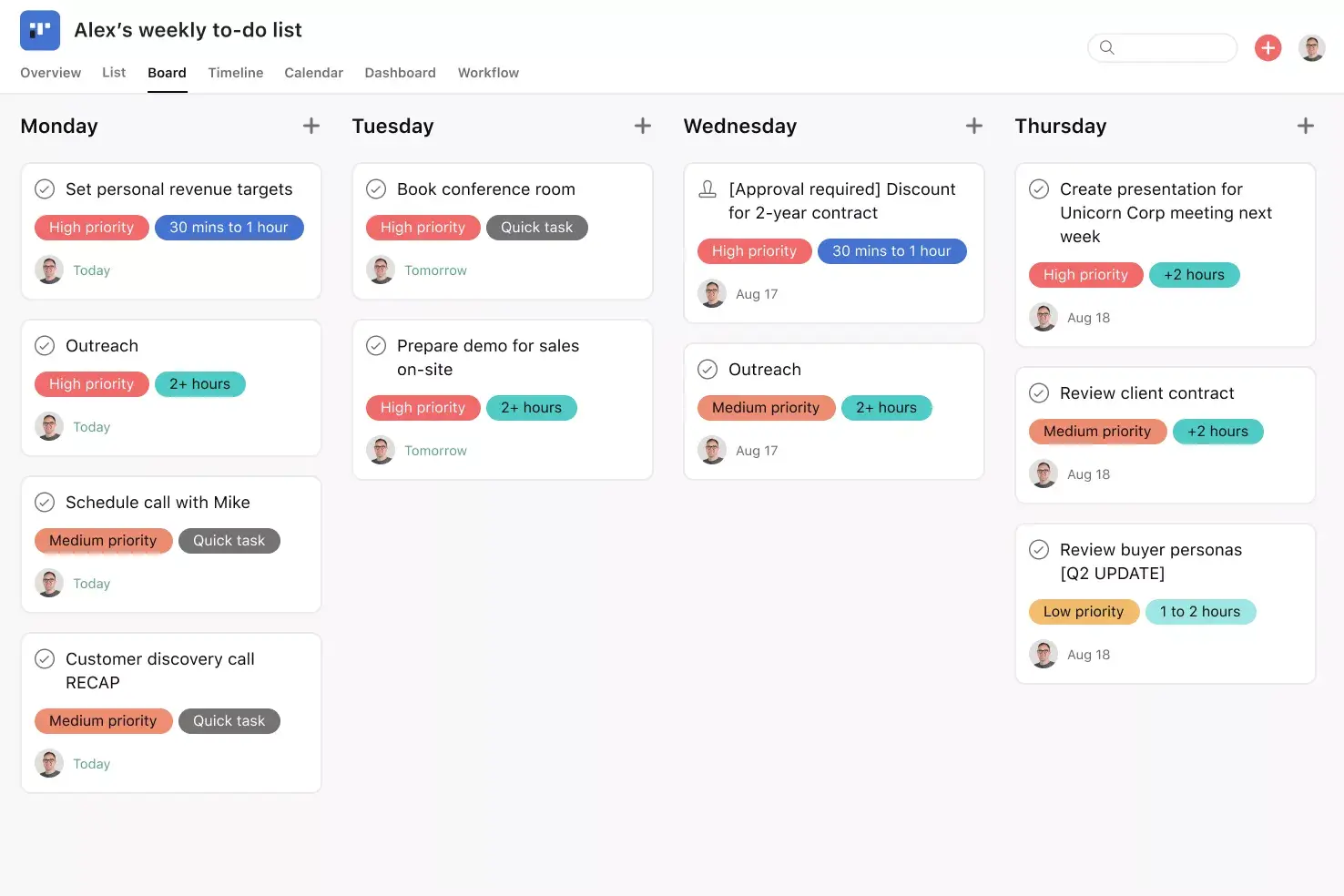
Priority: Flag tasks as high, medium, or low so your team knows what to focus on first.
Work type: Categorize tasks by type, such as meetings, admin, or deep work.
Time estimate: Add estimated durations to plan realistic schedules and avoid overloading any single day.
As your schedule changes, update fields to reflect shifting priorities or new categories. This keeps the template adaptable over time.
6. Choose the right view
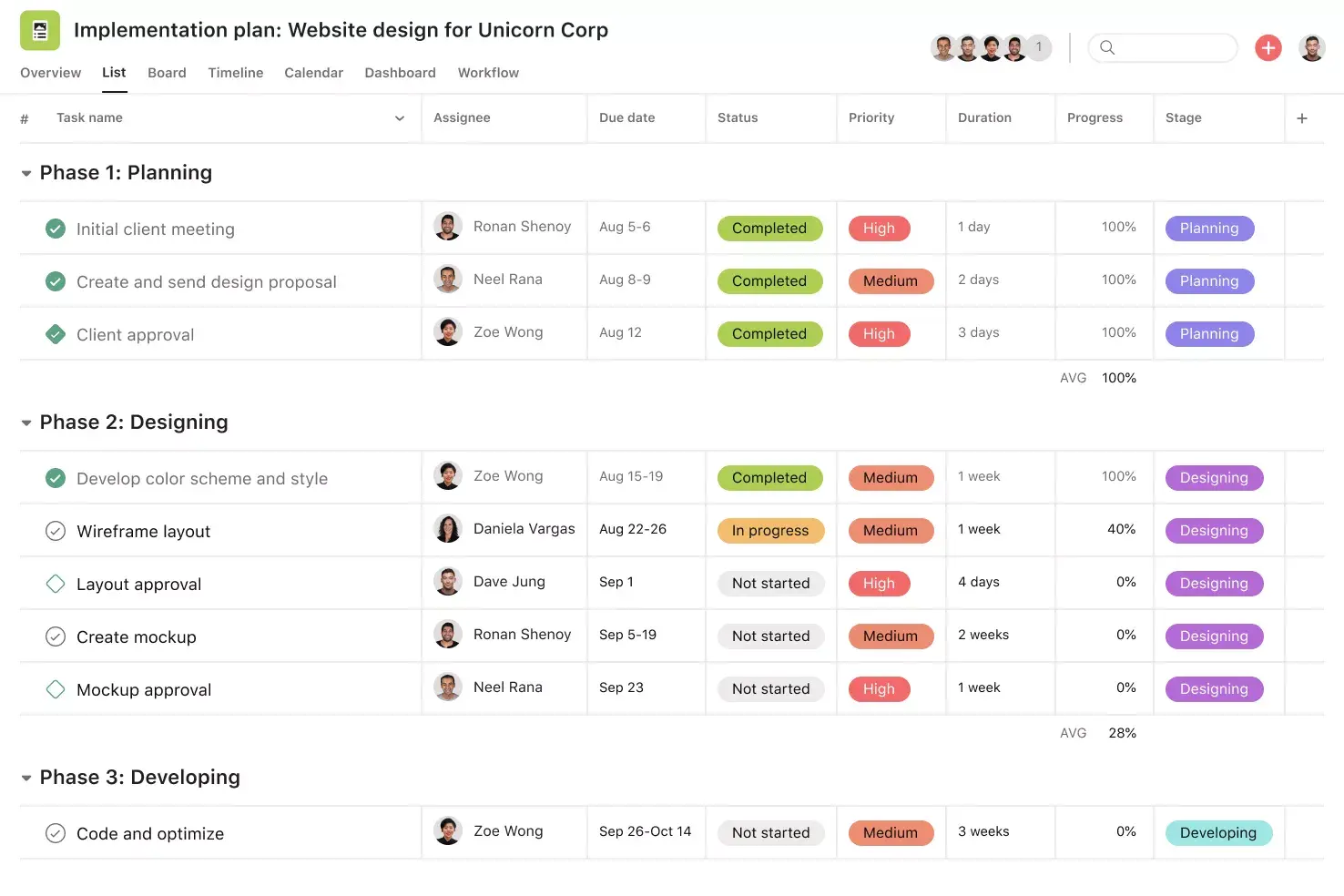
Switch between Calendar View and List View to see your schedule from different perspectives. Calendar View shows how work fits across dates, while List View creates a to-do list format. Both views support different working styles.
Teams can also experiment with Timeline or Board View. For example, Timeline helps a project team visualize dependencies, while Board View works well for managing shifts or recurring tasks.
7. Keep everything in one place
Centralize your schedule, team communication, and files in a single project so nothing gets lost. Here are the key tabs to use:
Dashboard: Check progress at a glance and see how much work is completed versus what still needs attention.
Messages: Store schedule-related conversations in context rather than burying them in email threads.
Files: Attach relevant documents so your team can find everything in one place without switching tools.
Asana features built for scheduling
Scheduling doesn't have to feel like herding cats. You can customize your schedule template with any Asana feature, but these are the ones our teams turn to again and again.
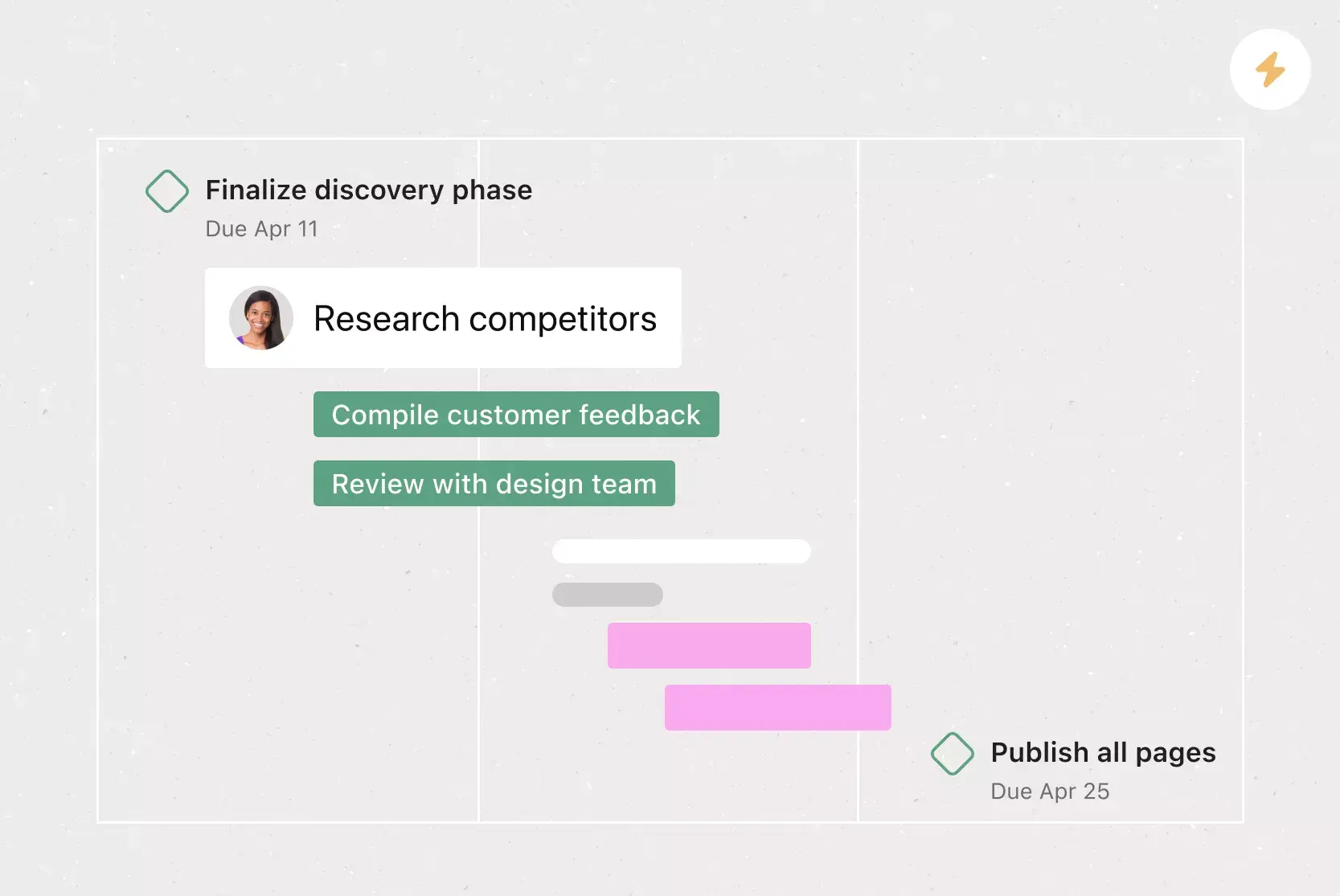
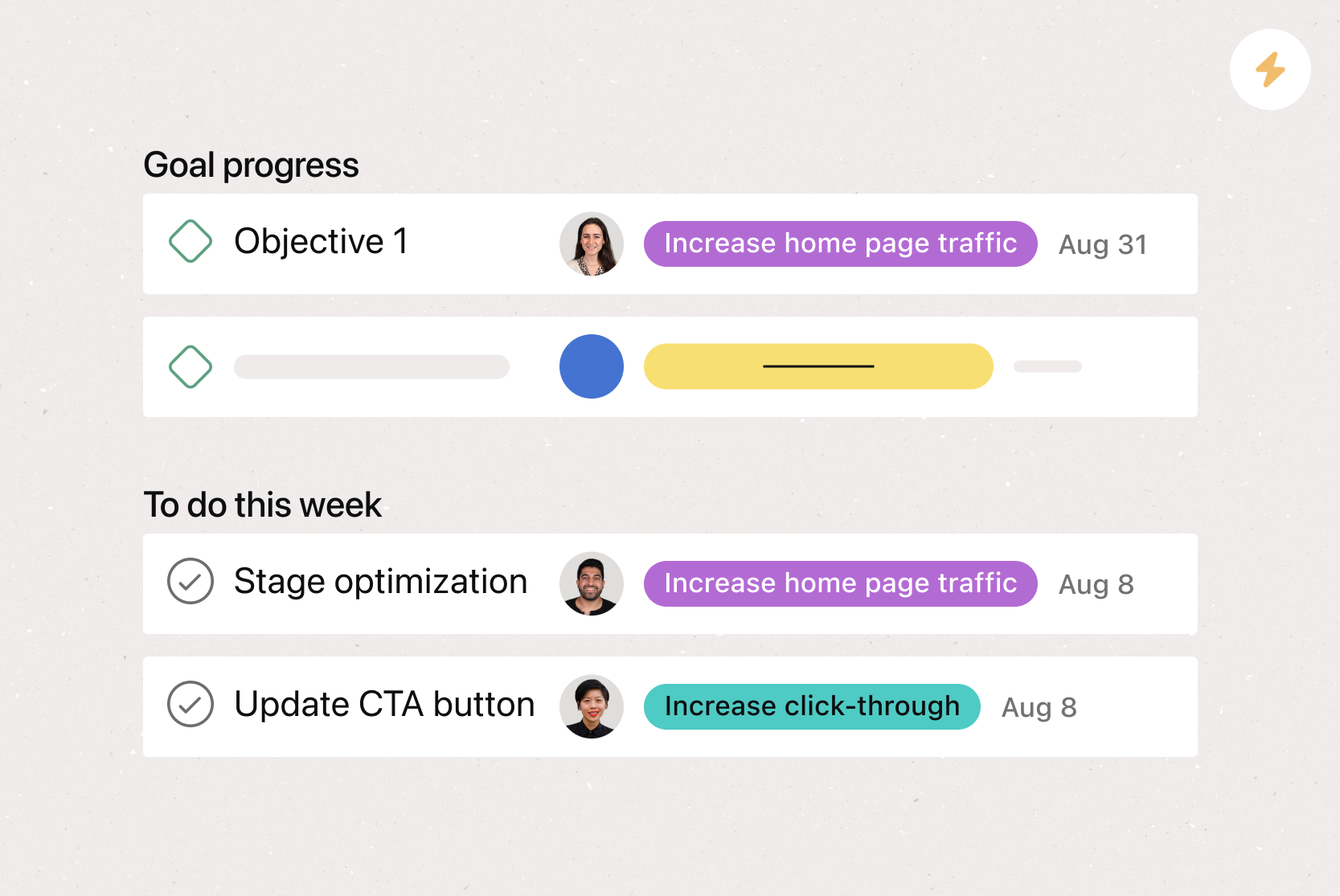
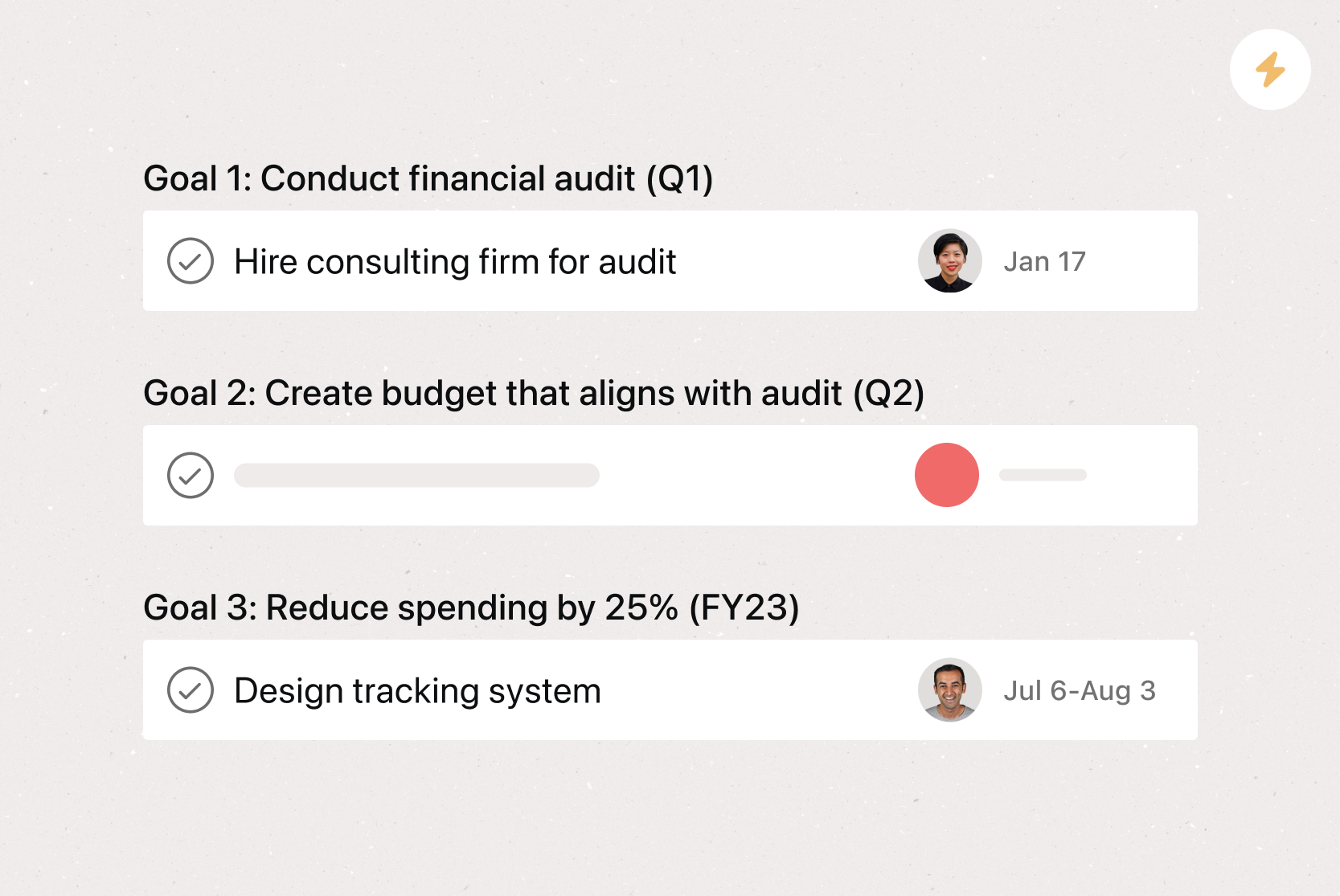
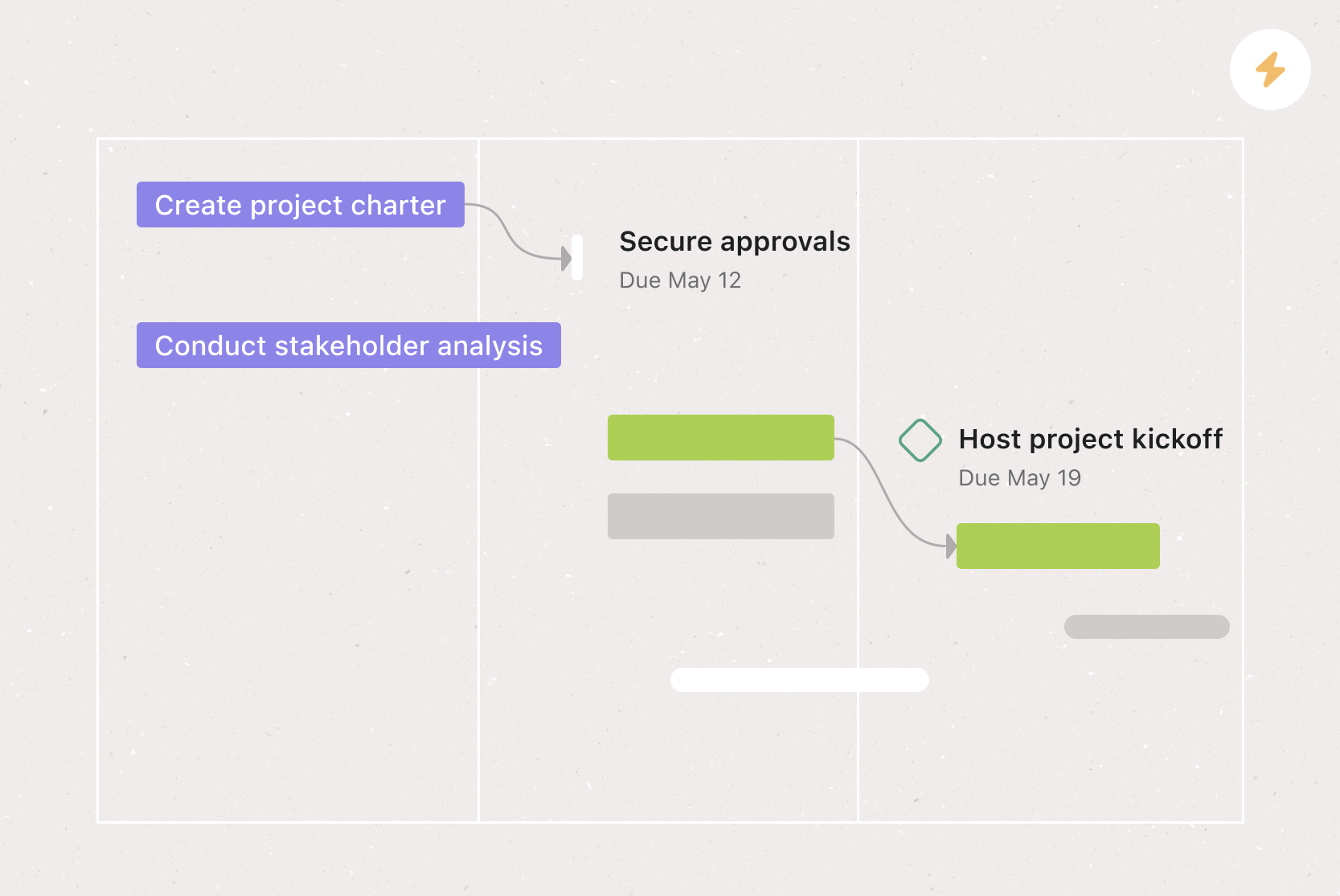
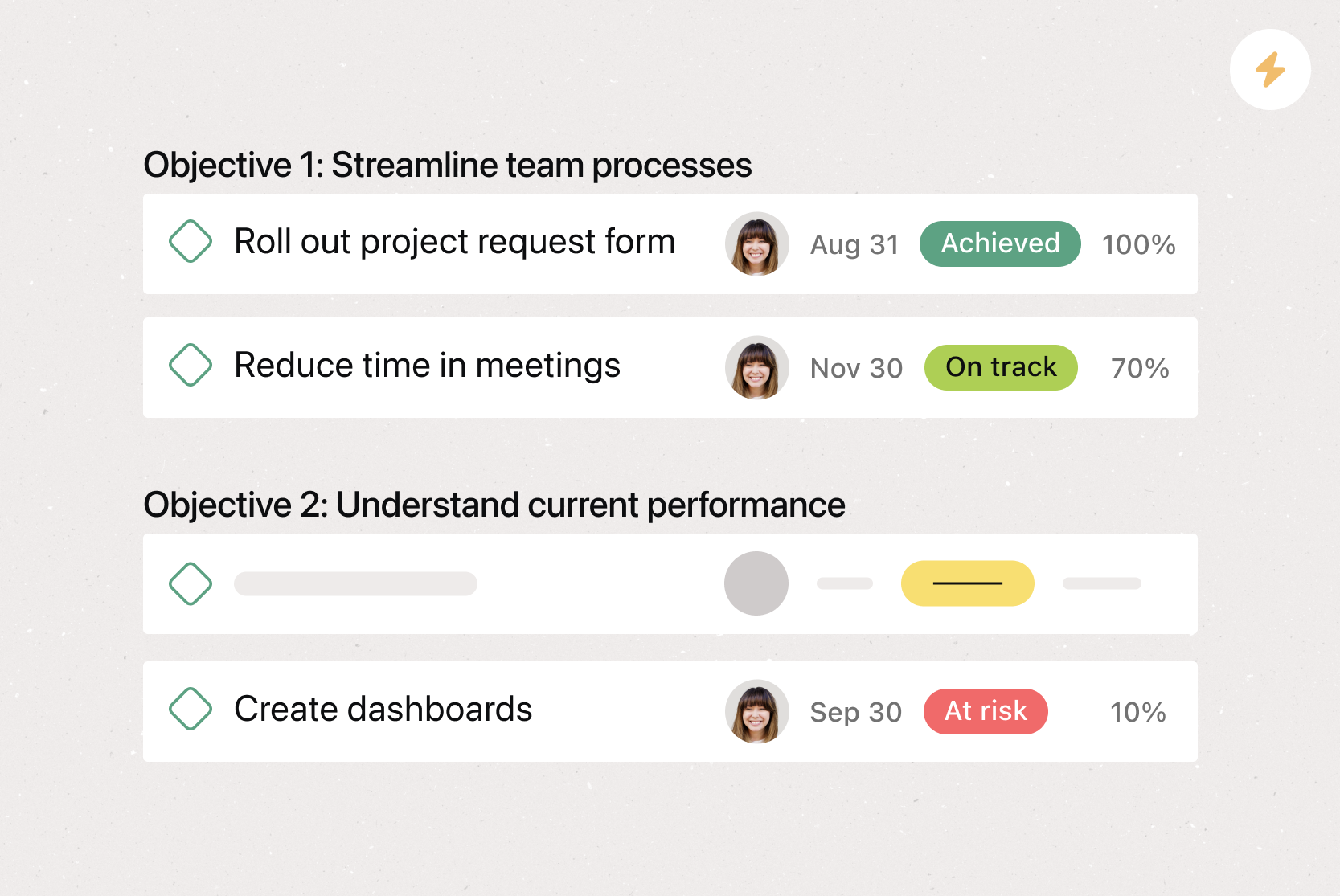
Milestones and Goals: Highlight important goals or checkpoints in your schedule. Ideal for weekly planning, events, or long-term tracking.
Calendar View: See all scheduled tasks by day, week, or month. Great for time blocking and visual planning.
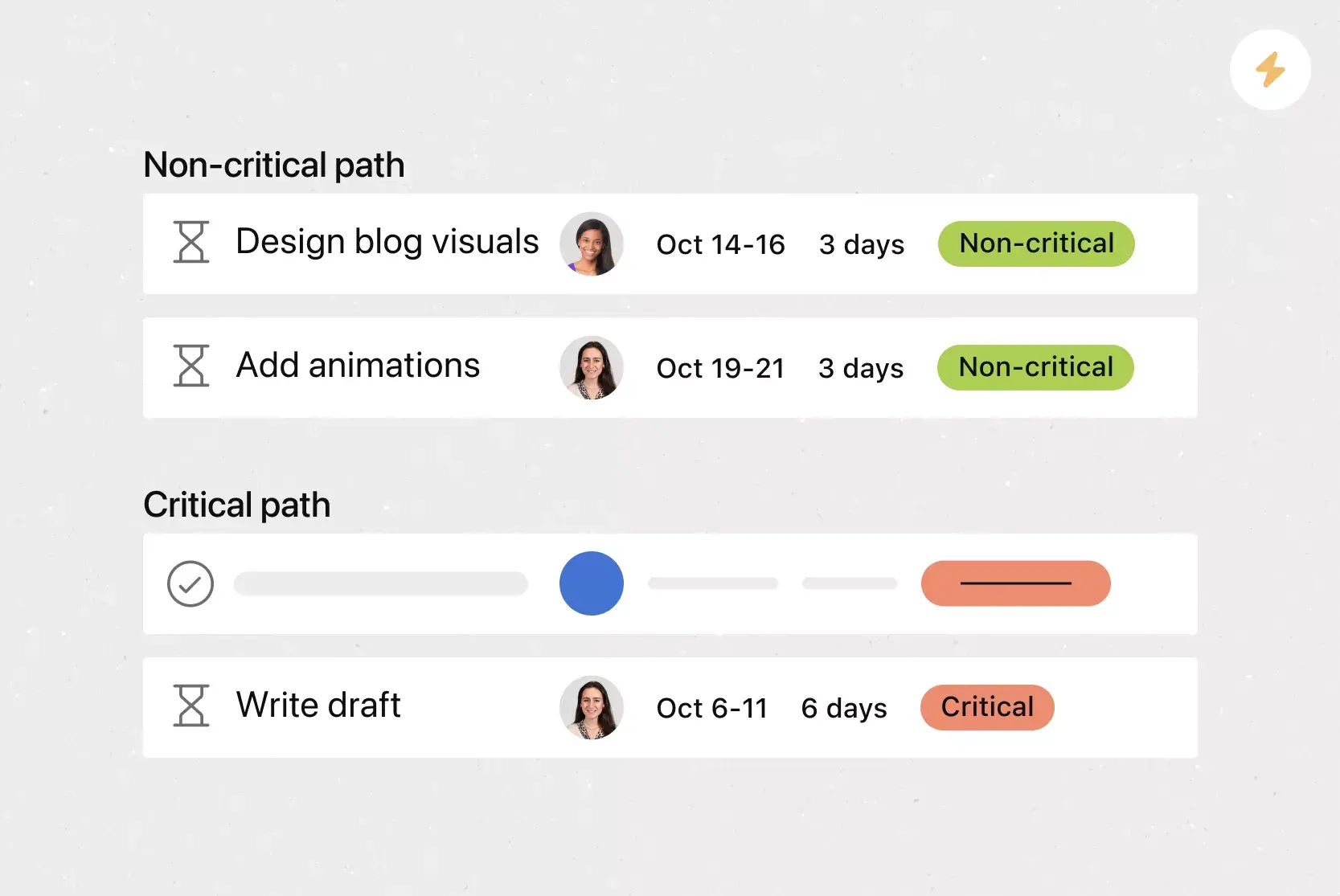
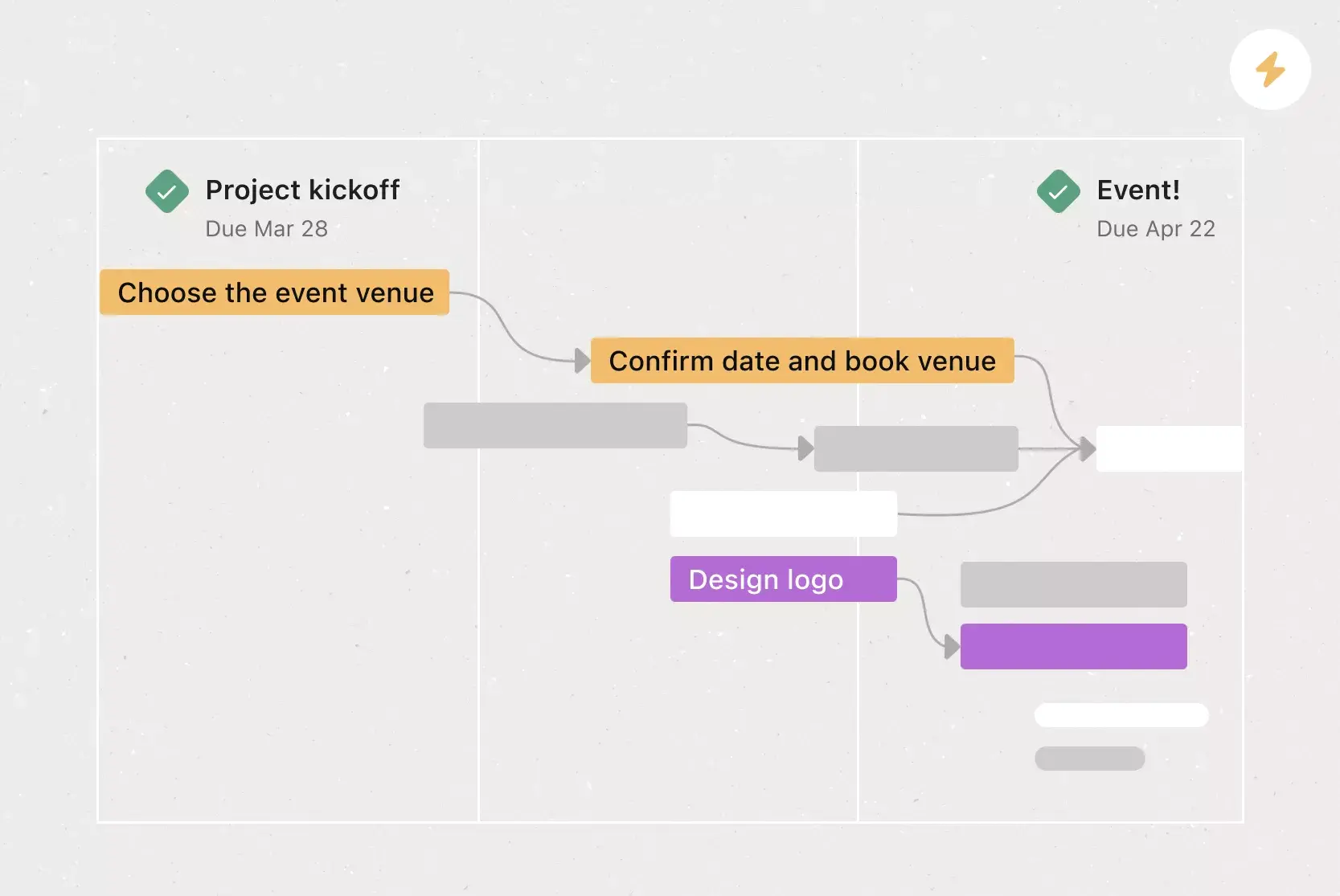
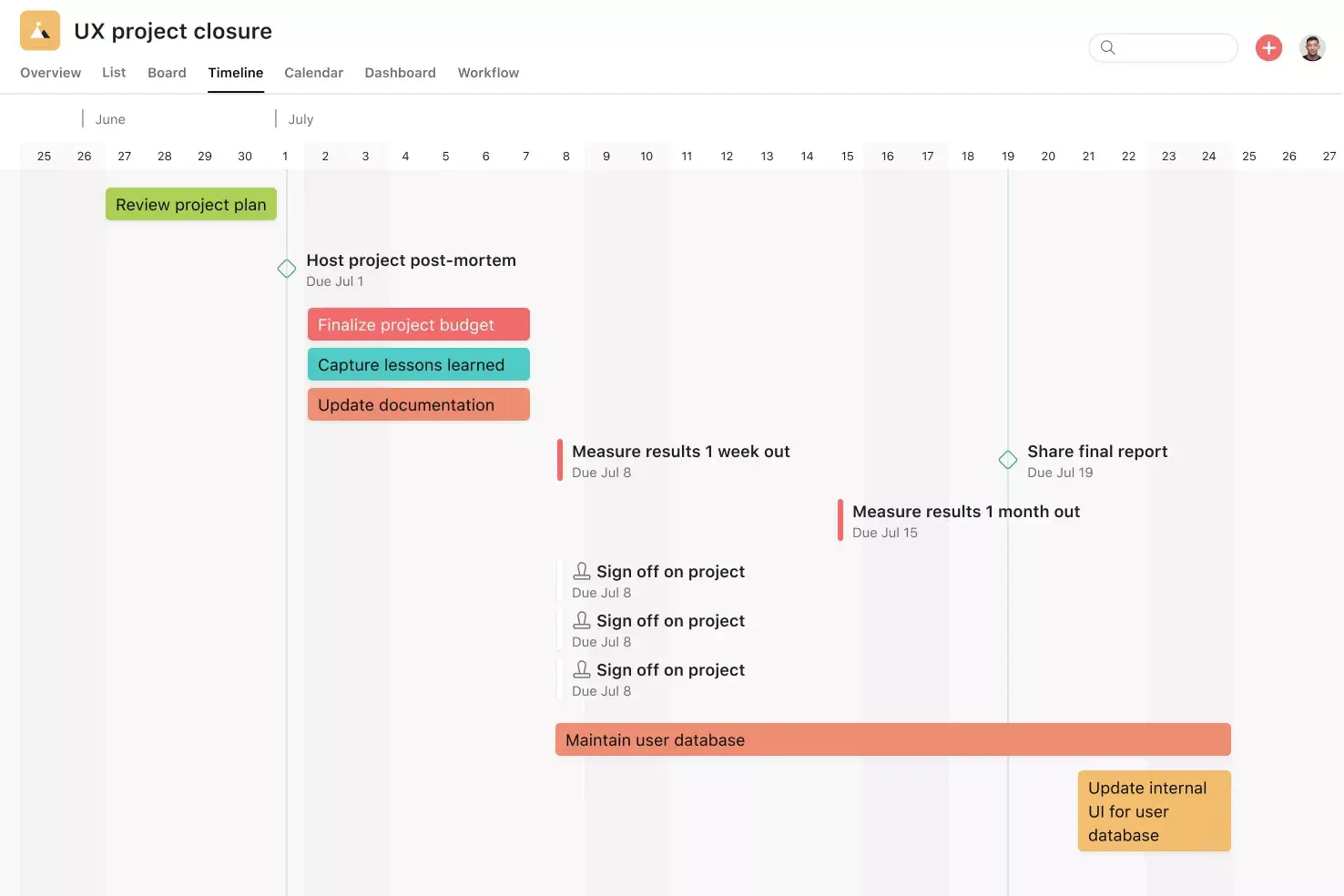
Timeline View: A Gantt-style layout is ideal for tracking longer or dependent workflows, such as construction or event schedules.
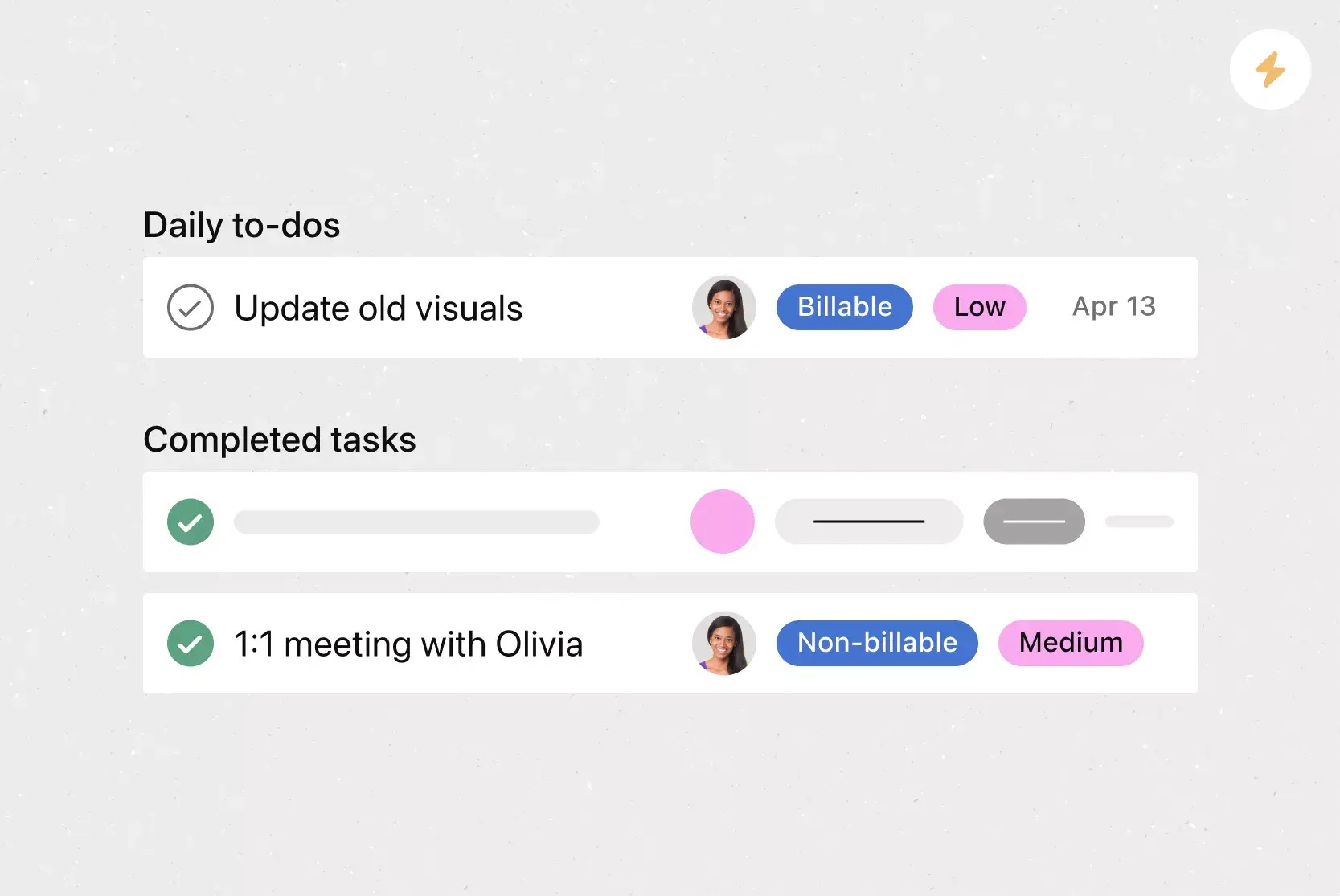
Recurring Tasks: Automate recurring items, such as daily tasks or weekly cleaning routines.
Asana AI: Speed up scheduling with AI-powered task generation, deadline suggestions, and Smart workflow creation.
Time Tracking: Schedule tasks down to the hour to manage work hours and avoid conflicts.
Dependencies: Set task relationships so people know what must happen first.
Whether you're time-blocking by the hour or organizing tasks by day of the week, Asana tools can help you stay focused and flexible.
Create your templateRecommended integrations
You can connect this schedule template to the software and tools you already use, like calendars, video conferencing, or time trackers. Integrations streamline your work across platforms, updating your schedule as things change. Explore more in the Asana App Directory.
Microsoft Outlook Calendar: Sync tasks to your Outlook calendar to plan meetings and manage availability.
Time Doctor: Automatically track how long tasks take and log billable hours directly from Asana.
Toggl Track: Track time spent on scheduled tasks to improve planning and visibility. Great for time audits or client billing.
Notion: Link Notion pages with Asana tasks to align notes and scheduled work.
Zoom: Convert scheduled meetings into actionable items and synchronize agendas and recaps.
Canva: Design a printable or visual weekly planner and attach it to your Asana project.
Google Sheets & Google Docs: Bring in content from Sheets and Docs to enrich your schedule with data, timelines, and linked documentation.
Start scheduling with Asana
A good schedule template removes the friction from planning so you can focus on the work that matters. Here's a quick recap of what you covered:
What a schedule template is: A repeatable structure for organizing tasks across any timeframe.
Which type to choose: Daily for hour-by-hour planning, weekly for workload balancing, monthly for milestones, and shift-based for coverage.
How to set one up: Duplicate the template, assign tasks, customize fields, and pick the right view.
Pick the template that fits your workflow, customize it to match how your team operates, and start turning your plans into progress. Get started with a free Asana account and build your first schedule today.
FAQs about schedule templates
What types of schedule templates can I create in Asana?
Can I use this as a work schedule template?
Can I share my schedule with team members?
How do I avoid overlapping tasks or meetings?
Does Asana offer any free schedule templates?
How do I choose between a daily, weekly, or monthly template?
Related templates
![[Template] IT project plan (Card image)](https://assets.asana.biz/transform/8aa523a9-4dcb-4053-8e69-7bdf900b48b9/web-product-template-thumbnail-IT-EN-US?io=transform:fill,width:2560&format=webp)

![[Templates] Operations Project Plan (Card)](https://assets.asana.biz/transform/ec3bf1b9-cbcd-413c-a20c-82bf1dbe10d2/TG23-web-thumbnail-008-risk-management?io=transform:fill,width:2560&format=webp)
![[Templates] RFP Process (Card image)](https://assets.asana.biz/transform/14aa111b-ab22-483f-bfd1-3090acb7d2a5/RFP-process-premium-m?io=transform:fill,width:2560&format=webp)

![[HR Project Plan] template Card Image](https://assets.asana.biz/transform/663b8e5e-89c9-4b0b-b48b-1b17e01d1889/TG23-web-thumbnail-033-process-improvement-static-2x?io=transform:fill,width:2560&format=webp)
![[Templates] Waterfall project management (card image)](https://assets.asana.biz/transform/d87fc21c-53f0-4bc9-9094-9789b963be9b/article-project-management-waterfall-project-management-methodology-2x?io=transform:fill,width:2560&format=webp)
![[Templates] Marketing Project Plan (Card) image](https://assets.asana.biz/transform/af70ac54-97b9-4639-b639-be3a3d951e3e/TG23-web-thumbnail-016-stakeholderregister-static-2x?io=transform:fill,width:2560&format=webp)
![[Templates] Status report (card image)](https://assets.asana.biz/transform/9c82d399-782b-40d3-9eb1-fd7544bef794/article-project-management-project-management-maturity-model-2x?io=transform:fill,width:2560&format=webp)
![[Templates] Event Marketing Plan (Card image)](https://assets.asana.biz/transform/6c7b9329-b612-4732-910a-7917fa079f0b/TG23-web-thumbnail-014-project-chart-static-2x?io=transform:fill,width:2560&format=webp)

![[Templates] Communication plan (card image)](https://assets.asana.biz/transform/3dc9eadf-9d2d-40a2-a05d-63adb32a1de7/article-collaboration-synchronous-vs-asynchronous-communication-2x?io=transform:fill,width:2560&format=webp)


![[Templates] Design Project Plan (Card image)](https://assets.asana.biz/transform/c768a28c-822f-420f-93f9-f2eea4c93780/TG23-web-thumbnail-032-bill-of-materials-static-2x?io=transform:fill,width:2560&format=webp)
Create templates with Asana
Learn how to create a customizable template in Asana. Get started today.