Asana acquires StackAI — now every human-agent workflow runs in one place.Learn more
Program roadmap template
Use a free program roadmap template to organize goals, milestones, timelines, and dependencies for related projects. It gives teams and stakeholders a practical way to monitor progress, review priorities, and plan next steps.
Create your templateSign up to create your own template.
INTEGRATED FEATURES
Recommended apps


Summary
Program roadmaps give teams a high-level view of where a program is headed, what milestones are coming up, and how individual projects contribute to larger goals. A program roadmap template standardizes how every team builds and shares their roadmaps, making it easier to align work across your organization. In this article, you'll learn what a program roadmap is, the benefits of using a template, what to include in your roadmap, and how to get started with a free program roadmap template in Asana.
What is a program roadmap?
A program roadmap is a high-level, strategic overview that connects a program's projects to business strategy, company goals, and key milestones. Program managers use it to visualize what work teams are currently managing, what's coming next, and how each piece contributes to the company's most important initiatives. With a program roadmap in place, teams can build strategic plans, prioritize work, and focus resources on the projects that matter most.
What is a program roadmap template?
A program roadmap template is a saved outline of a general program roadmap. This helps ensure that each program roadmap is consistent. So when you go to look up information about a different program in another department, you know where to find it.
For example, if the product marketing team wants to review upcoming deliverables for the engineering team, they can refer to the engineering program roadmap. By building their roadmap on an organization-wide program roadmap template and structuring it the same way, it's easy to find the section for their deliverables. Essentially, program roadmap templates make it easier to gather all the information you need without having to ask a colleague or sort through endless files.
Create a program roadmap templateProgram roadmap template vs. project roadmap template vs. product roadmap template
These three template types share a similar structure but serve different scopes. Here's how they compare:
A project roadmap template works best for one project. It shows phases, time frames, and the steps the team needs to complete the work.
A product roadmap template works best for product vision and strategy. It shows how the product will develop over time and how the team plans to deliver it.
A program roadmap template works best for a group of related projects. It shows where the program is headed and how each project supports larger goals.
Often, a project, product, and program roadmap are all used in conjunction with one another.
Benefits of using a program roadmap
Larger organizations can have hundreds, even thousands, of programs, and it's hard enough to track the work within them, let alone oversee their structure. A program roadmap template solves this by ensuring every roadmap follows a consistent format. That consistency makes it easier for anyone in the company to access, share, and review another program's roadmap.
Here are some of the key benefits of using a program roadmap:
Improved cross-team visibility: A program roadmap gives stakeholders, leadership, and cross-functional teams a shared view of the program's direction. Instead of piecing together updates from different sources, everyone can reference a single roadmap to understand what's in progress, what's coming next, and how it all connects.
Stakeholder communication: When you need buy-in or resources, a program roadmap makes it easier to communicate the program's value as part of a stakeholder engagement plan. It shows how individual projects roll up into larger goals, helping stakeholders quickly understand priorities and make informed decisions.
Better resource allocation: Programs often share people, budgets, and tools across multiple projects. A roadmap helps you see where resources are committed and where gaps exist, so you can plan ahead with a resource allocation plan and avoid bottlenecks.
Prioritization: By mapping out program-level initiatives alongside company goals, a roadmap helps teams focus on the most impactful work first. This reduces the risk of spending time on low-priority tasks while critical projects fall behind.
In addition, you can use program roadmap templates for:
Program launches: When you're launching many new programs at once, you can use a program roadmap template to create roadmaps for each. This gives stakeholders a high-level overview, helping you secure the buy-in and resources you need to develop new programs.
Agile teams: Programs that use the Agile methodology will often use roadmaps to plan out their work in advance. You can use a program roadmap template to ensure that each Agile program uses the same roadmap, regardless of the department.
What to include in a program roadmap
Every program roadmap should provide stakeholders with a clear picture of the program's scope, timeline, and priorities. Here are the key components to include:
Resources: Include team members, the program values, and the program vision. You want this to be a quick, at-a-glance view of your program and how it fits into company goals.
Business objectives and initiatives: It helps to have the company's broader vision close at hand to guide your work. You can use these business-wide objectives and initiatives as touchpoints to ensure you're always working on the most impactful projects.
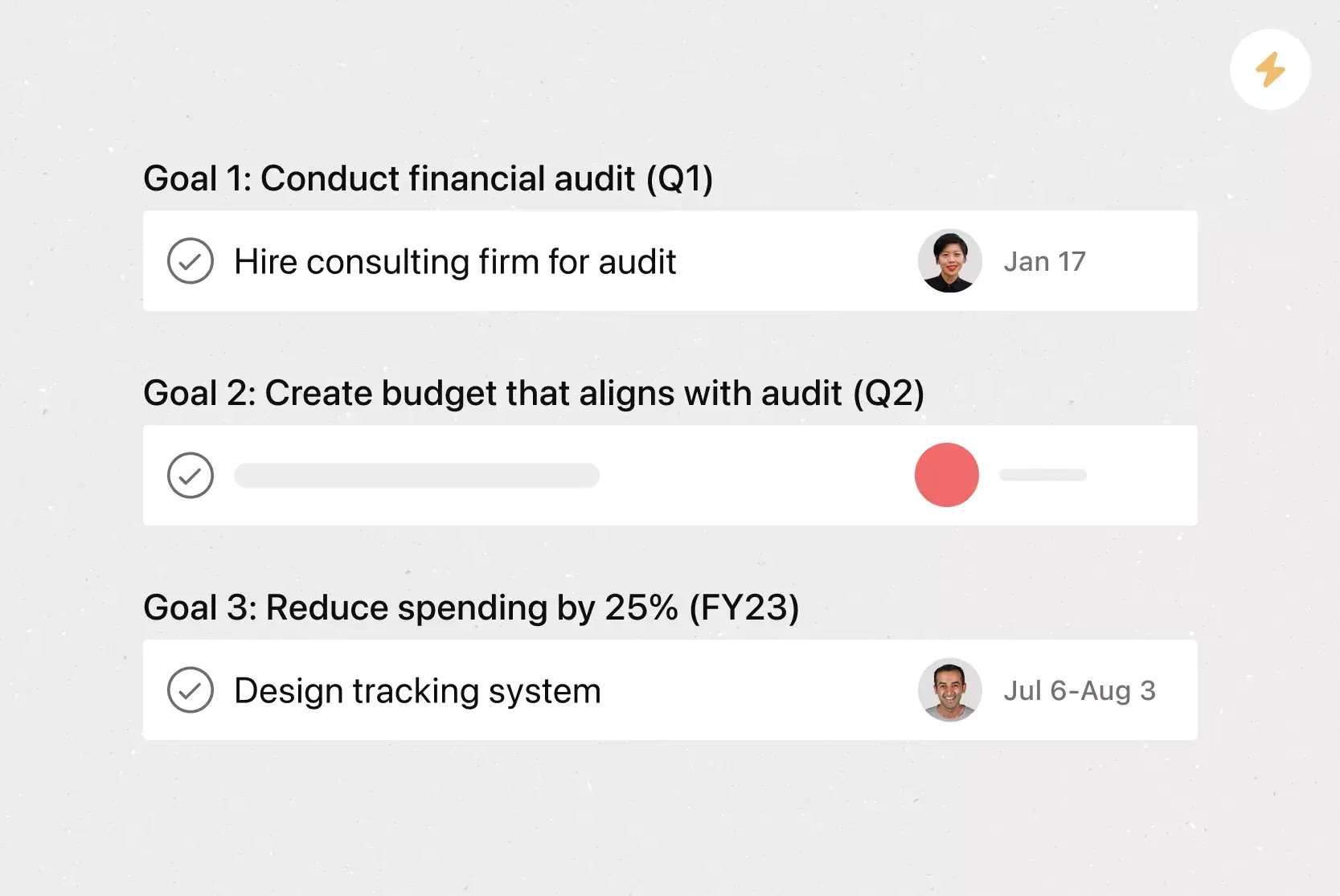
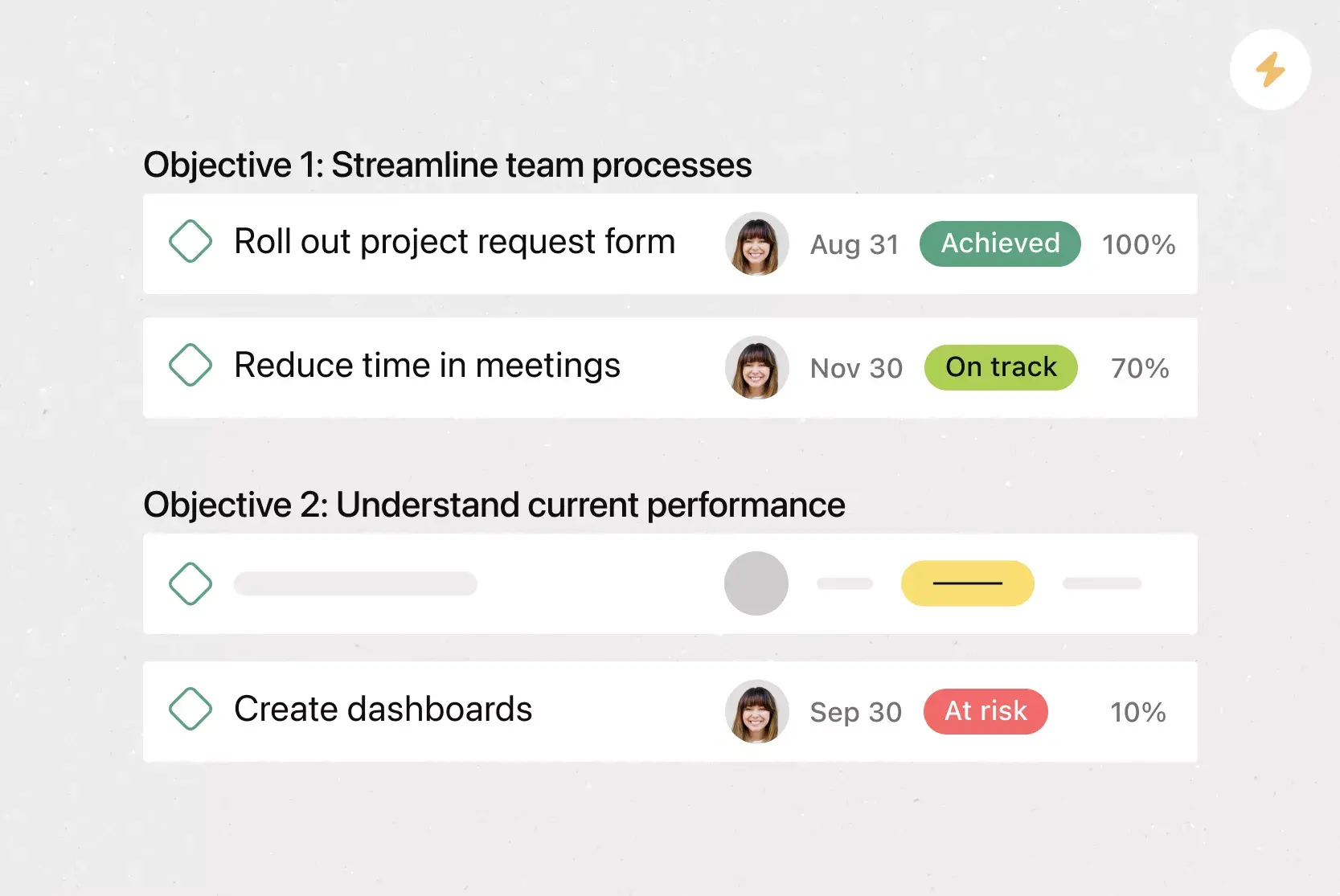
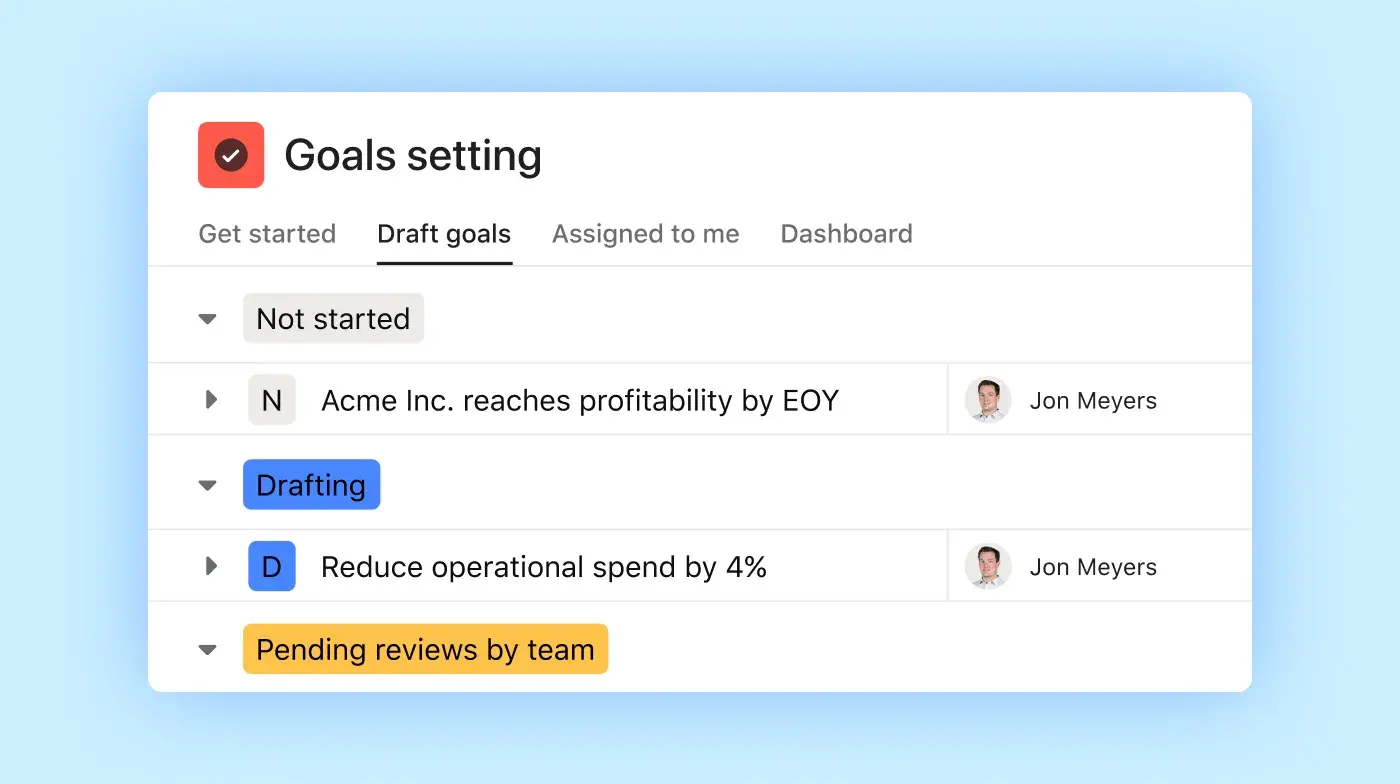
Program goals: In addition to listing the company-wide objectives or goals, connect to any specific program-centric goals you create.
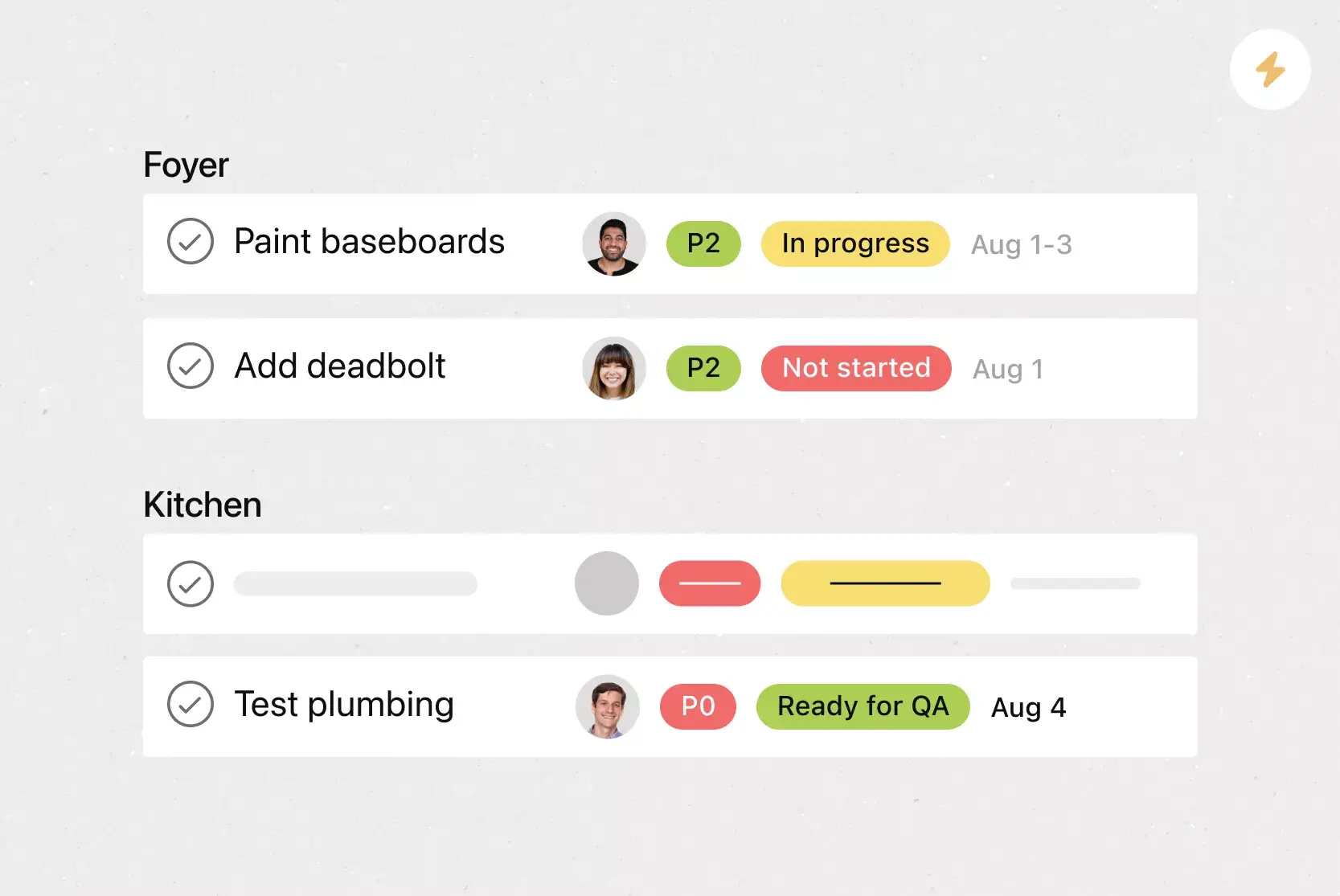
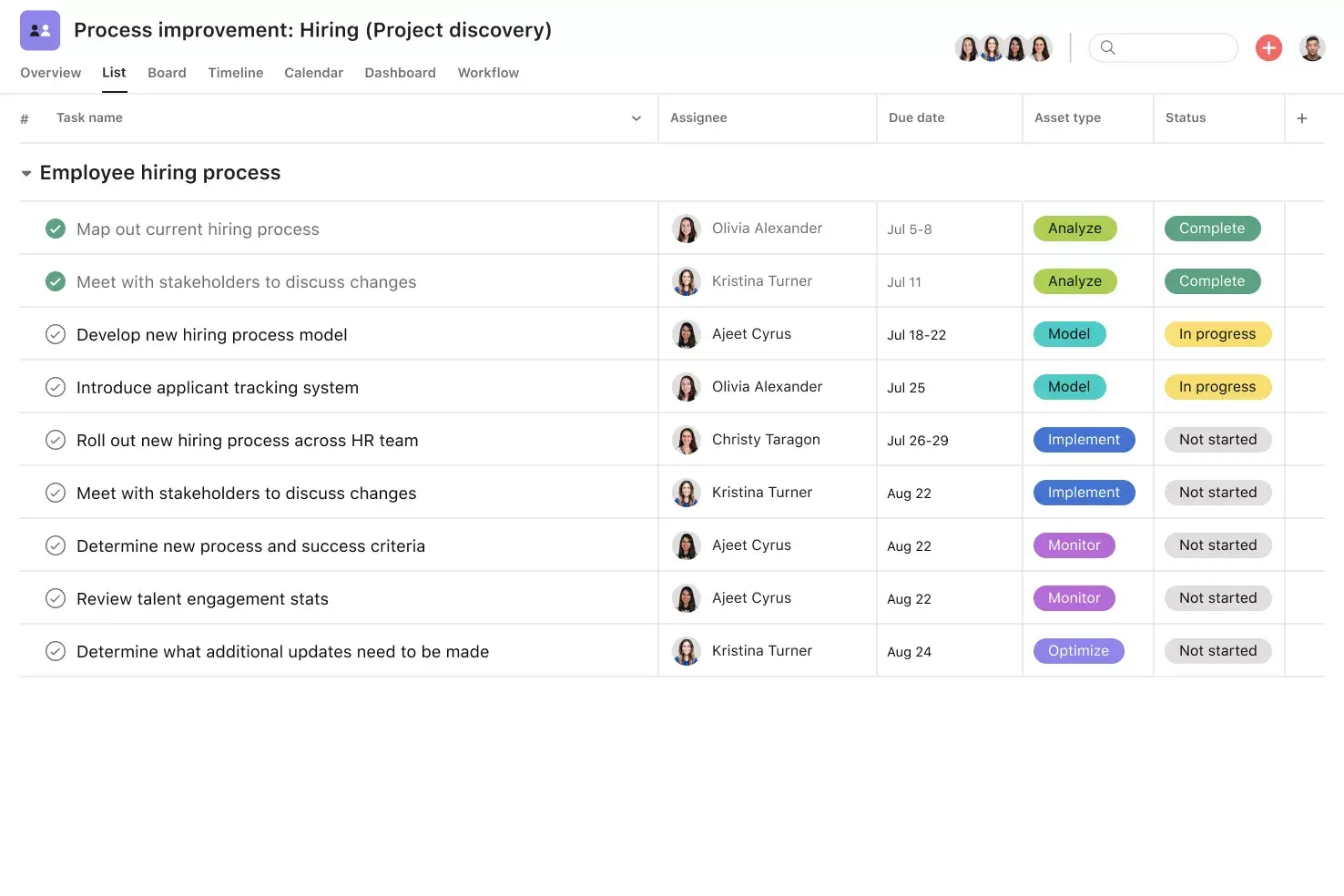
Deliverables: This section lists your program's deliverables and their associated project plans or roadmaps.
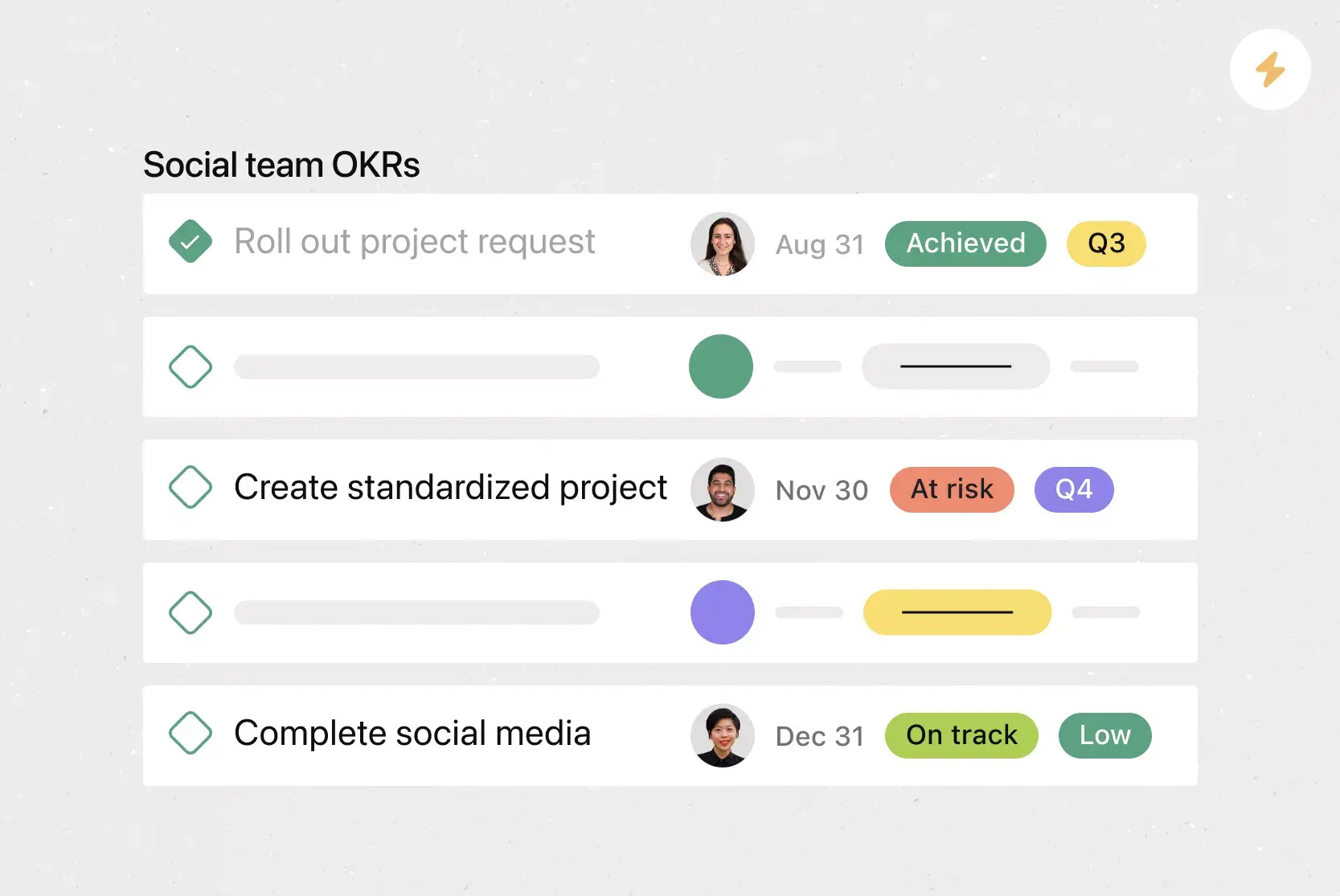
Timelines and milestones: Include start and end dates for each project in the program, along with key milestones that mark significant progress. This helps teams and stakeholders understand the overall pace of the program.
Task and project dependencies: Map out project dependencies where work in one project relies on the completion of work in another. Identifying dependencies early helps you avoid delays and plan handoffs between teams.
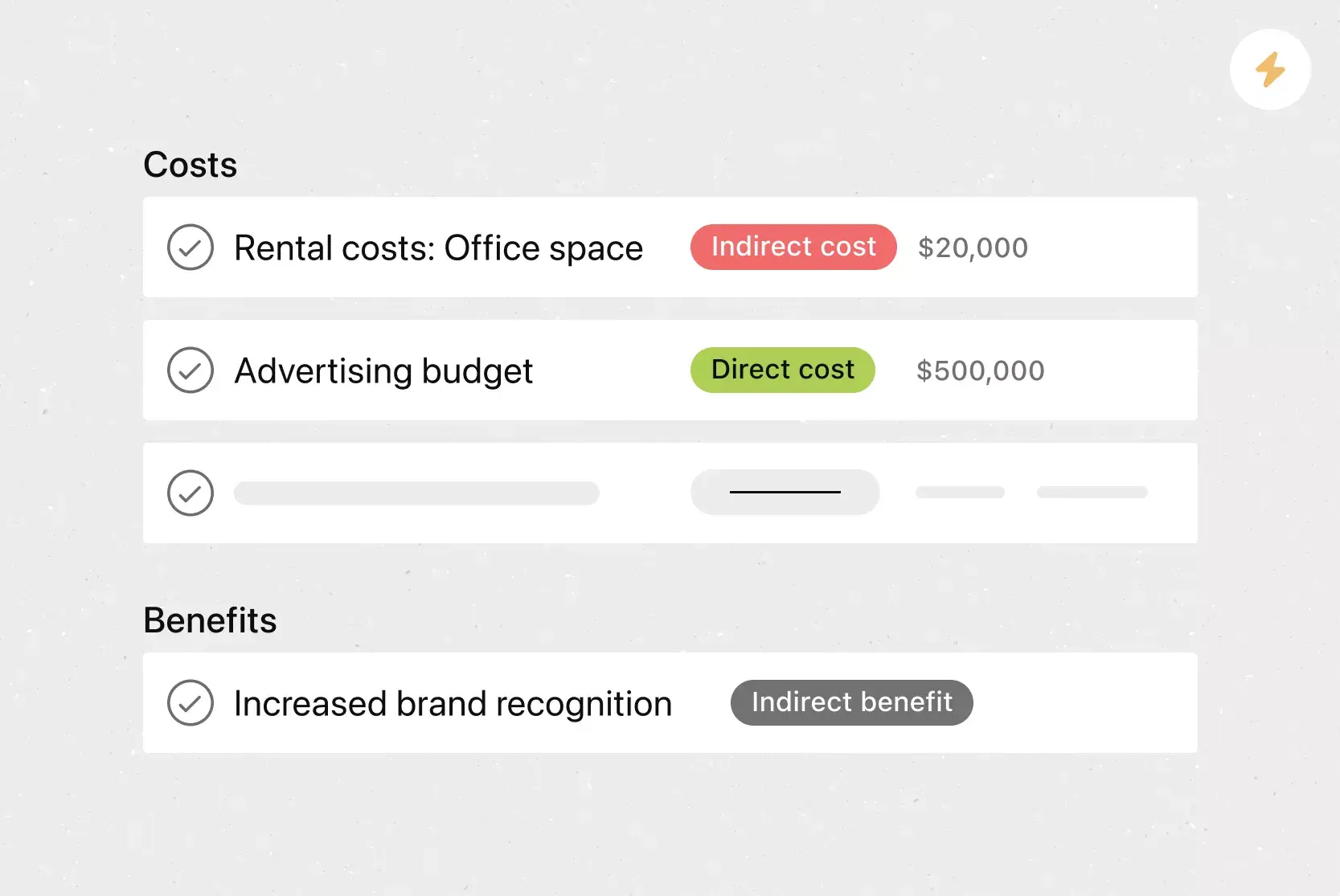
Project costs and budgets: If your program involves shared budgets or resource constraints, include estimated costs for each project. This supports better financial planning across the program.
Department-specific sections: Each program will have different items to include in its roadmap. For example, if you're on a product development team, you might have a phases section to show the progression of development.
How to use a program roadmap template
You could draw out your program roadmap on paper or build it in a spreadsheet, but that would be hard to repeat or turn into a template. Creating your program roadmap template with digital project management software gives you more capabilities. It's completely customizable, so you can build it to fit your specific program needs and business goals.
With the right tool, you can:
Add dependencies: Map out which tasks or projects rely on others to stay on track.
Change assignees: Reassign work quickly as your team or priorities shift.
Share across the company: Give any stakeholder access to the roadmap without extra steps.
To bring your program roadmap template to life, try viewing it in different ways, including:
Kanban boards: Use this layout for Agile program roadmap templates that follow sprints and require "swimlanes" (horizontal categorization) to designate what's on deck, in progress, and completed. Or, use Kanban boards for any program that benefits from a more actionable style.
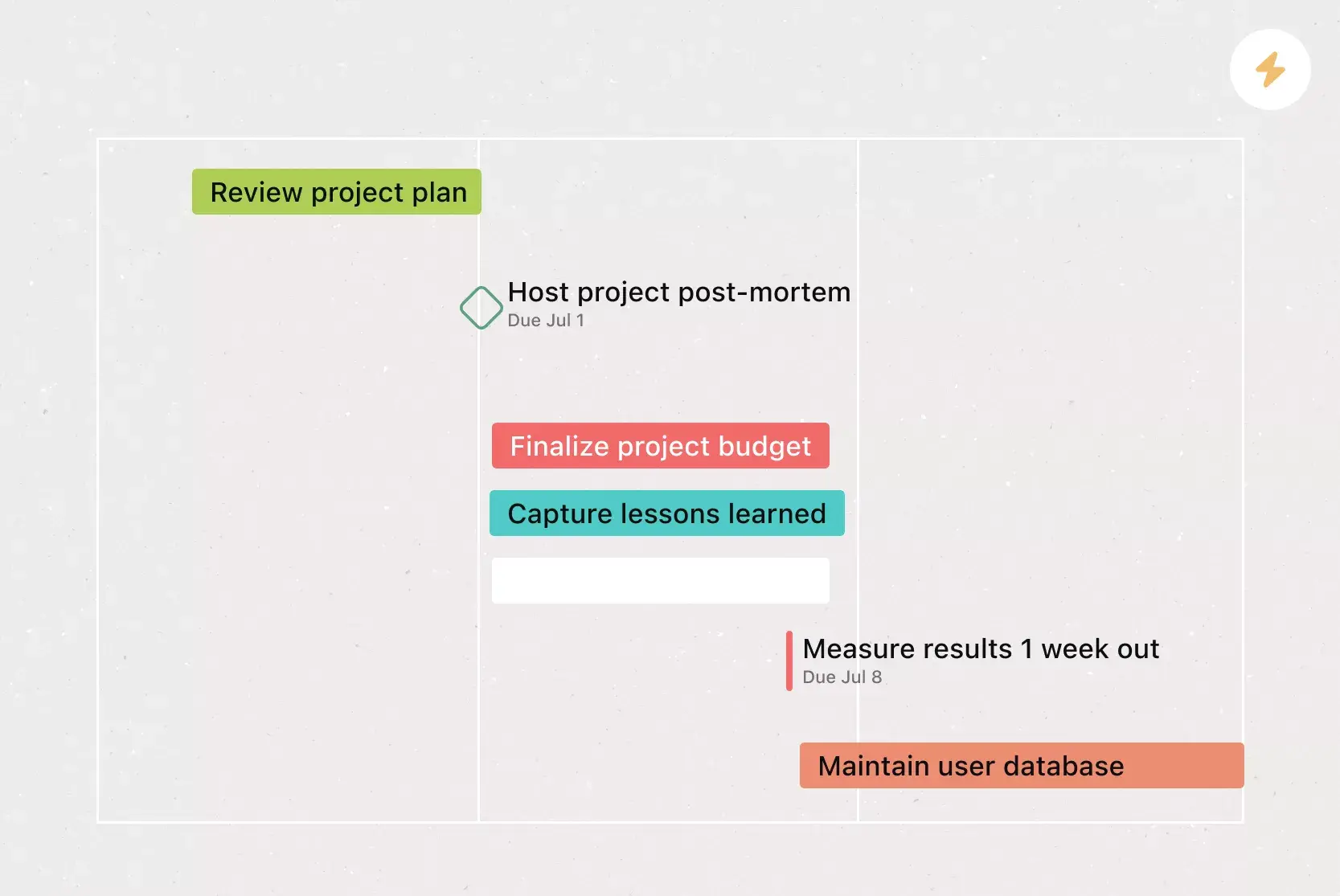
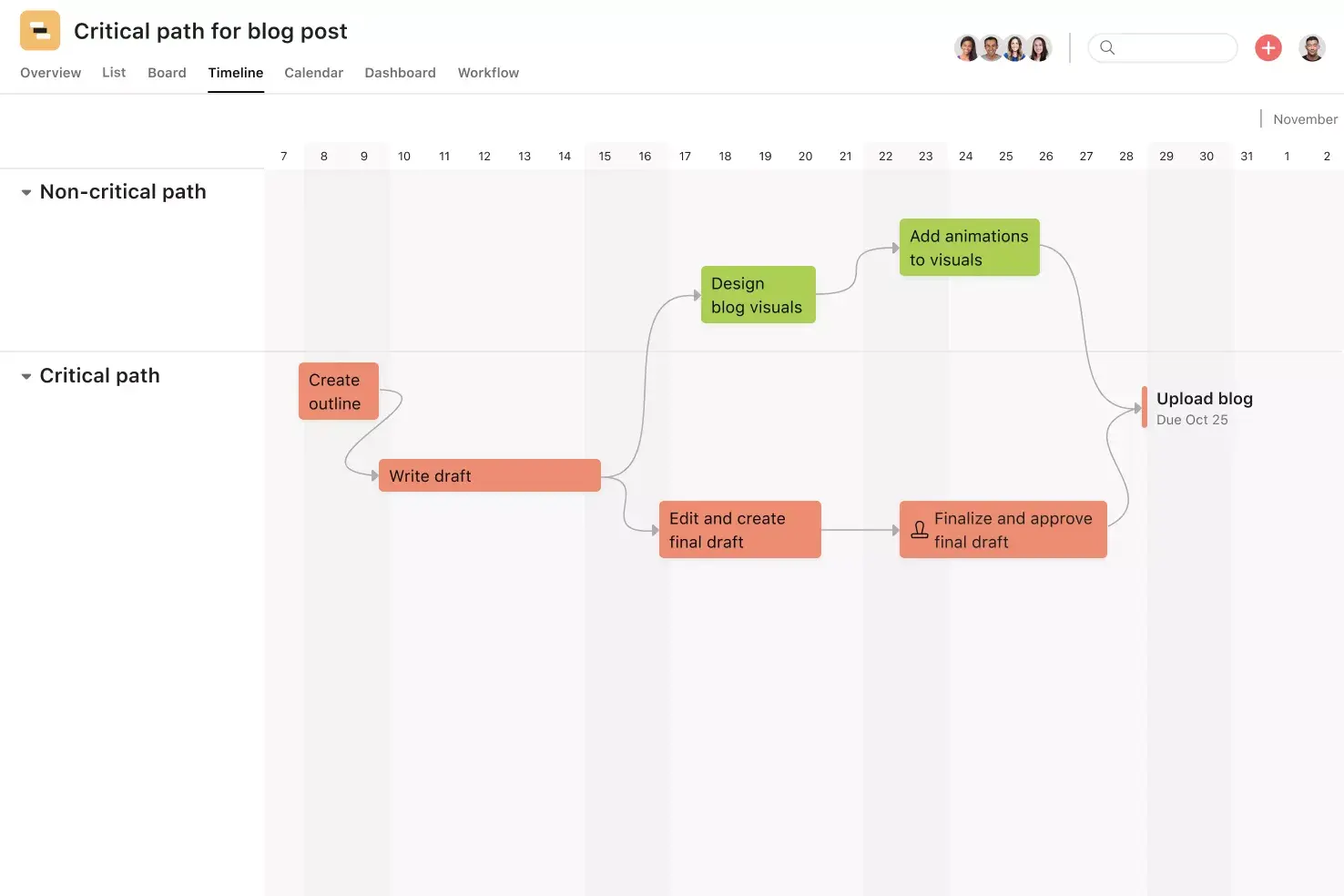
Gantt chart: This layout is useful for creating your program roadmap as a timeline. For example, if your program's roadmap operates over a year, you can design your template in phases or quarters and view it in a Gantt chart to see which initiatives are mapped out for when.
Create color-coded sections: Depending on the use case, this can be helpful for visual differentiation and for showcasing the separation between initiatives. For example, if your program roadmap template is used for IT product management, you might color-code the sections to highlight how the program supports various IT projects across departments.
Integrations for Asana templates
Connect your program roadmap template to your favorite apps and use our built-in integrations to create the perfect, custom template for your program.
Integrated features
Board View. Board View is a Kanban-style board that displays your project's information in columns. Columns are typically organized by work status (like To Do, Doing, and Done), but you can adjust column titles depending on your project needs. Within each column, tasks are displayed as cards, with a variety of associated information, including task title, due date, and custom fields.
Timeline View. Timeline View is a Gantt-style project view that displays all your tasks as horizontal bars. Not only can you see each task's start and end date, but you can also see dependencies between tasks. With Timeline View, you can easily track how the pieces of your plan fit together.
Approvals. Sometimes you don't just need to complete a task; you need to know whether a deliverable is approved. Approvals are a special type of task in Asana with options to "Approve," "Request changes," or "Reject" the task.
Project status updates. Project status updates in Asana are directly connected to the work your team does. This makes it easy for team members to access additional project information, like your project plan, communication plan, project goals, milestones, deliverables, and more.
Recommended apps
GitHub. Automatically sync GitHub pull request status updates to Asana tasks. Track pull request progress and improve cross-functional collaboration between technical and non-technical teams, all within Asana.
Jira. Create interactive, connected workflows between technical and business teams to increase real-time visibility into the product development process, all without leaving Asana. Quickly create Jira issues in Asana, so work flows seamlessly between business and technical teams at the right time.
Figma. Teams use Figma to create user flows, wireframes, UI mocks, prototypes, and more. You can embed these designs in Asana, so your team can reference the latest design work alongside related project documents.
Google Workplace. Attach files directly to tasks in Asana using the Google Workplace file chooser built into the Asana task pane. Easily attach any My Drive file with just a few clicks.
Build your program roadmap with Asana
A well-structured program roadmap coordinates your teams, informs stakeholders, and helps you meet deadlines. With a free program roadmap template in Asana, you can standardize how your organization plans and tracks program-level work. Get started and build your first program roadmap today.
Create a program roadmap templateFAQs about program roadmap templates
What's the difference between a program roadmap template and a project roadmap template?
What are the benefits of using a program roadmap template?
How do you format a program roadmap template?
How do you create a roadmap for a program?
Related templates
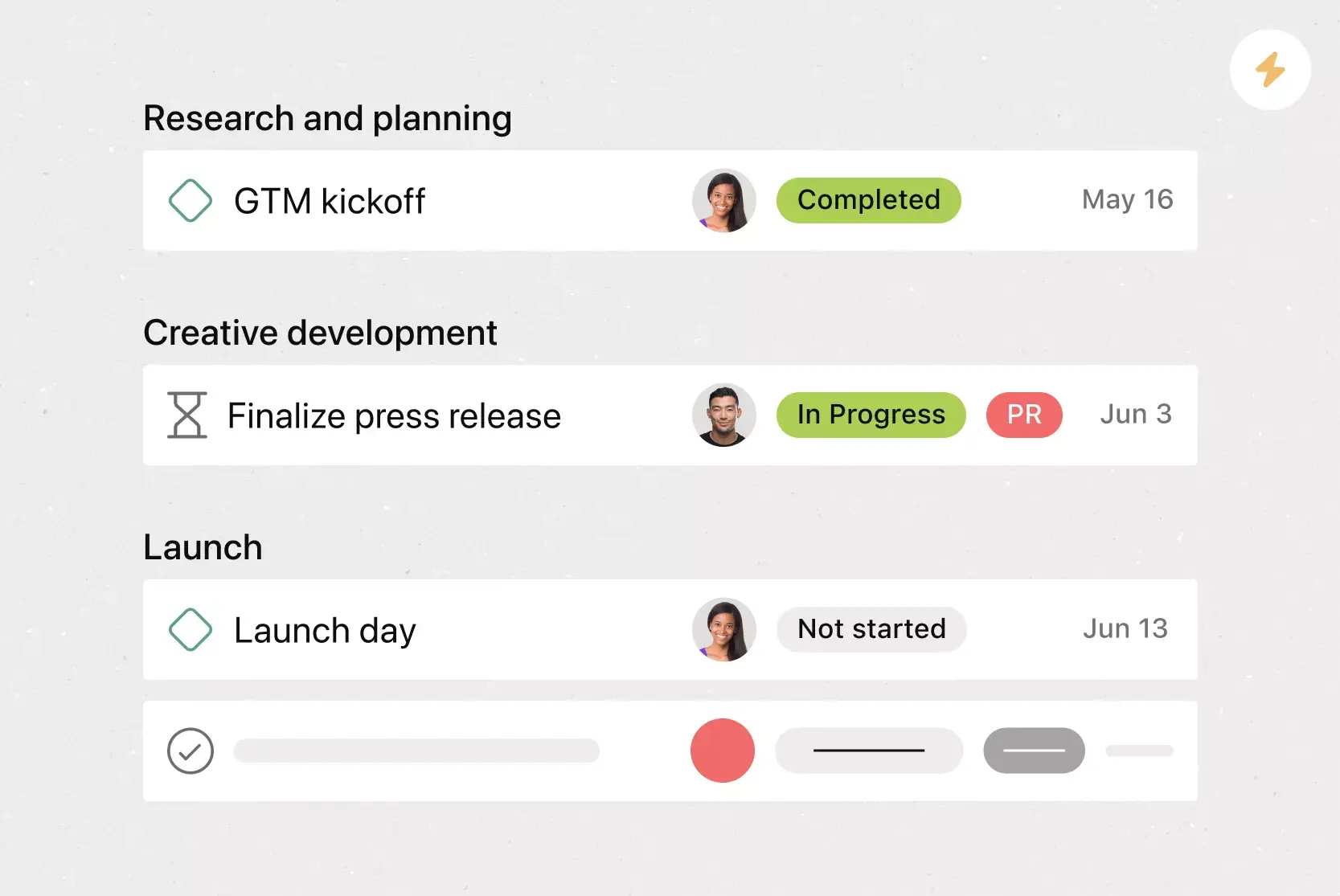
![[Templates] Product Roadmap (Card image)](https://assets.asana.biz/transform/2728edf4-eb35-4dd5-8d03-25ba8cbe5864/TG23-web-thumbnail-028-scrumban-feature-static-2x?io=transform:fill,width:2560&format=webp)



Create templates with Asana
Learn how to create a customizable template in Asana. Get started today.