Asana acquires StackAI — now every human-agent workflow runs in one place.Learn more
Post-sales handoff template
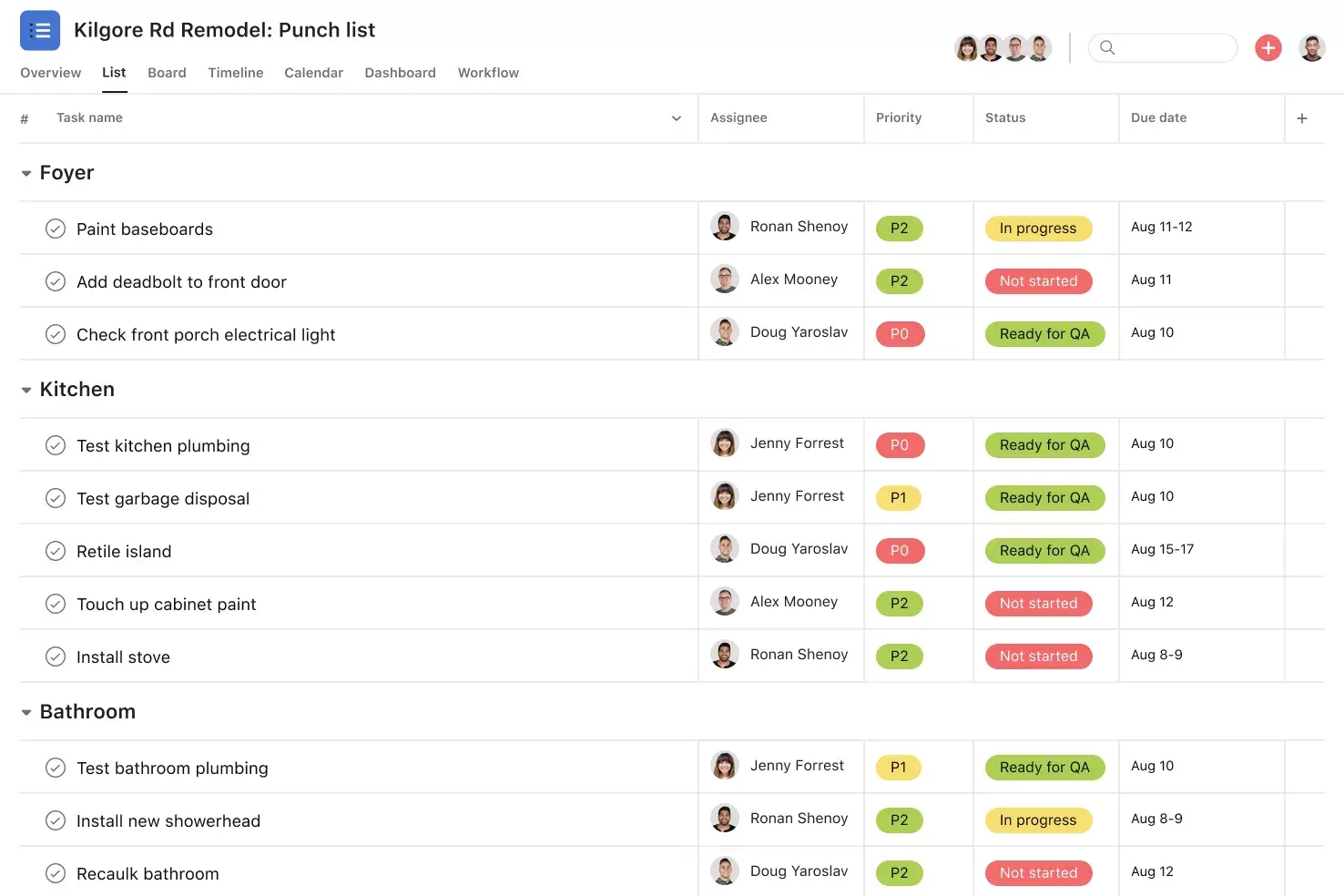
Use this free template to help sales hand off the details customer success teams need, from customer goals and key contacts to timelines, open questions, and next steps. It gives both teams a shared starting point, so onboarding doesn’t begin with missing information.
Use templateSign up to use this template.
INTEGRATED FEATURES
Recommended apps




![[Old product ui] Post-sales handoff template in Asana, spreadsheet-style project view (List)](https://assets.asana.biz/transform/6fbe4780-e8e9-4048-9514-9e27c832ce3a/post_sales_handoff?io=transform:fill,width:2560&format=webp)
Summary
You just landed a new customer, but if the handoff from sales to customer success is unclear or slow, that initial excitement can quickly turn into doubt. In this article, you'll learn what a post-sales handoff is, why it matters, the key phases of a successful transition, and common mistakes to avoid. Plus, you can start with our free post-sales handoff template to map out clear responsibilities and keep every customer transition on track.
What is a post-sales handoff?
A post-sales handoff is the process of transitioning a new customer from the sales team to the customer success or onboarding team after a deal closes. It involves transferring account ownership, customer goals, relationship context, and any commitments made during the sales cycle. The goal is to give the customer success team everything they need to deliver a seamless onboarding experience without making the customer repeat themselves.
The handoff is much more than a single moment in time. It involves an active, clear transfer of information between the right teams. The customer success team can't operate blindly. They need to know what sales shared with the customer, what insights were collected, and when it's time for them to step in.
Think of it as two distinct layers. Most companies excel at the first and fall short on the second:
Data layer: Contract details, license counts, technical specs, and deal terms.
Context layer: The buyer's motivations, internal politics, stakeholder personalities, and unspoken goals.
A strong handoff captures both, so the CS team knows not just what the customer bought, but why they bought it.
Why use a post-sales handoff template?
A seamless transition from sales to customer success sets the tone for the entire customer journey. Here are four reasons a good handoff is worth prioritizing:
It reduces churn. A seamless handoff between sales and customer success often leads to improved customer retention. One of the top reasons for high customer churn is a disjointed onboarding process between the two teams.
It speeds time-to-value. The longer the handoff takes, the longer the customer waits to see results. Good communication and handoff management are the best ways to shorten this gap.
It builds customer trust. A thoughtful handoff that exceeds expectations earns your customer's confidence from day one. Transitioning clients from the sales phase to onboarding without friction is a strong first impression.
It creates team alignment. When each team knows where their responsibilities begin and end, it prevents overlap and lets everyone focus on their specific tasks.
The 3 phases of a successful handoff
A good sales-to-service handoff is no accident. Both teams need to work in sync and plan ahead. Most effective handoffs follow three phases.
1. Pre-sale preparation
A successful sales-to-CS handoff begins before the customer is officially onboarded. During the sales process, the account executive should prepare the customer for a relationship transition. It makes more sense to bring customer success managers into context well before the deal closes.
During this phase, your sales team should:
Begin documenting customer goals, pain points, and key stakeholders in your CRM
Let the customer know they'll be introduced to a dedicated customer success contact
Assign the customer success manager early so they can review the account context before the transition
2. Internal team handoff
The internal handoff involves conducting meetings to share account information and complete knowledge transfers between sales and customer success. This step ensures the CS team is fully prepared before any customer-facing interaction takes place.
For the internal handoff, make sure to transfer:
Contract details, including pricing, seats, and renewal dates
Customer goals and how they define success
Any verbal commitments or specific promises made during the sales process
Key stakeholders and decision-makers on the customer's side
Known risks, blockers, or sensitivities
3. Customer-facing handoff
This is where you set the stage and maintain the customer's excitement as you get into the details of your product or service. Materials should be shared in advance, and the experience should feel customized rather than generic. Use the information your sales team gathered to help your service team personalize the kickoff.
By the end of the kickoff meeting, the customer should walk away with clarity on the following:
The phases of implementation, key milestones, and timeline for each stage
Their team's responsibilities and what participation is required
Who owns the relationship going forward
The success criteria discussed during the sales cycle were confirmed and aligned
Common handoff mistakes to avoid
Even well-intentioned teams can stumble during the handoff. Most failures come from missing context, unclear ownership, and process drift. Here are the most common pitfalls to watch for:
Incomplete documentation. CSMs often receive a name, a close date, and little else. Without full deal insight, like customer goals, success metrics, and internal dynamics, onboarding becomes reactive instead of strategic.
Delayed transitions. The moment a contract is signed, the customer expects progress toward the outcome they purchased. If onboarding doesn't begin quickly, the energy from the buying process fades and the relationship enters an idle period.
Unclear ownership. When no one knows who's responsible for kicking off the handoff, reviewing the record, or filling in the gaps, things stall, and timelines slip. Over time, teams stop following the process altogether because it's too manual or poorly reinforced.
Making customers repeat themselves. Customers shouldn't have to re-explain goals, concerns, or context they already shared with the sales team. Hearing different messaging from CS than they heard from sales makes the transition feel disjointed.
Tips for using our post-sales handoff template
Create seamless handoffs between tools and teams. By connecting Salesforce and Asana, you can automatically kick off project creation when an opportunity moves to closed-won and get the ball rolling.
Make responsibilities clear with assigned tasks. Assign tasks with due dates so it's clear who's tackling what and when it will be finished.
Follow best practices by saving your own templates. Long checklists in docs or spreadsheets get outdated and are hard to follow. Save your custom handoff template to ensure no steps are missed.
Start managing handoffs in Asana
A smooth post-sales handoff doesn't have to be complicated. With a clear process, defined roles, and a reliable template, you can give every new customer a consistent, confident start.
Ready to build a better handoff process? Get started with our free post-sales handoff template and give your customers the experience they deserve.
Free post-sales handoff templateFAQs about post-sales handoffs
How do you write a simple handover note?
What information should be included in a handoff document?
How can you automate the post-sales handoff process?
What's the difference between an internal and customer-facing handoff?
Related templates
![[Templates] Pre-Sales Deal Support (Card image)](https://assets.asana.biz/transform/387f7b65-031c-4b14-a9bf-02261d8f8029/TG23-web-thumbnail-021-call-log-static-2x?io=transform:fill,width:2560&format=webp)
![[Templates] Simple CRM (Card image)](https://assets.asana.biz/transform/680c5921-a7f6-4b0f-855e-89ceb6657207/uses-project-management-product-ui-list-accounts-en-1x?io=transform:fill,width:2560&format=webp)
![[Templates] Customer Implementation (Card image)](https://assets.asana.biz/transform/cfd847a5-e5cd-4323-bf07-40f7c1785619/article-business-strategy-organizational-change-2x?io=transform:fill,width:2560&format=webp)
Better planning, better relationships
Every customer detail matters. Track and manage them all with Asana.