Asana acquires StackAI — now every human-agent workflow runs in one place.Learn more
Lean project management: Principles, waste & tools


Summary
When you think of the word lean, you may think of food. Lean meats, like poultry and fish, are healthier than red meats, like steak and pork, because they have less fat. In project management, surplus manifests as project defects, which can lead to scope creep and reduce project value. Like differences in meat types, lean project management results in less surplus, which can keep your project healthier.
When you adopt the lean approach, your goal is to reduce waste and add value during every project phase. In this piece, we'll explain what lean project management is, outline the five core principles, and show you how to use this Agile methodology to improve your productivity.
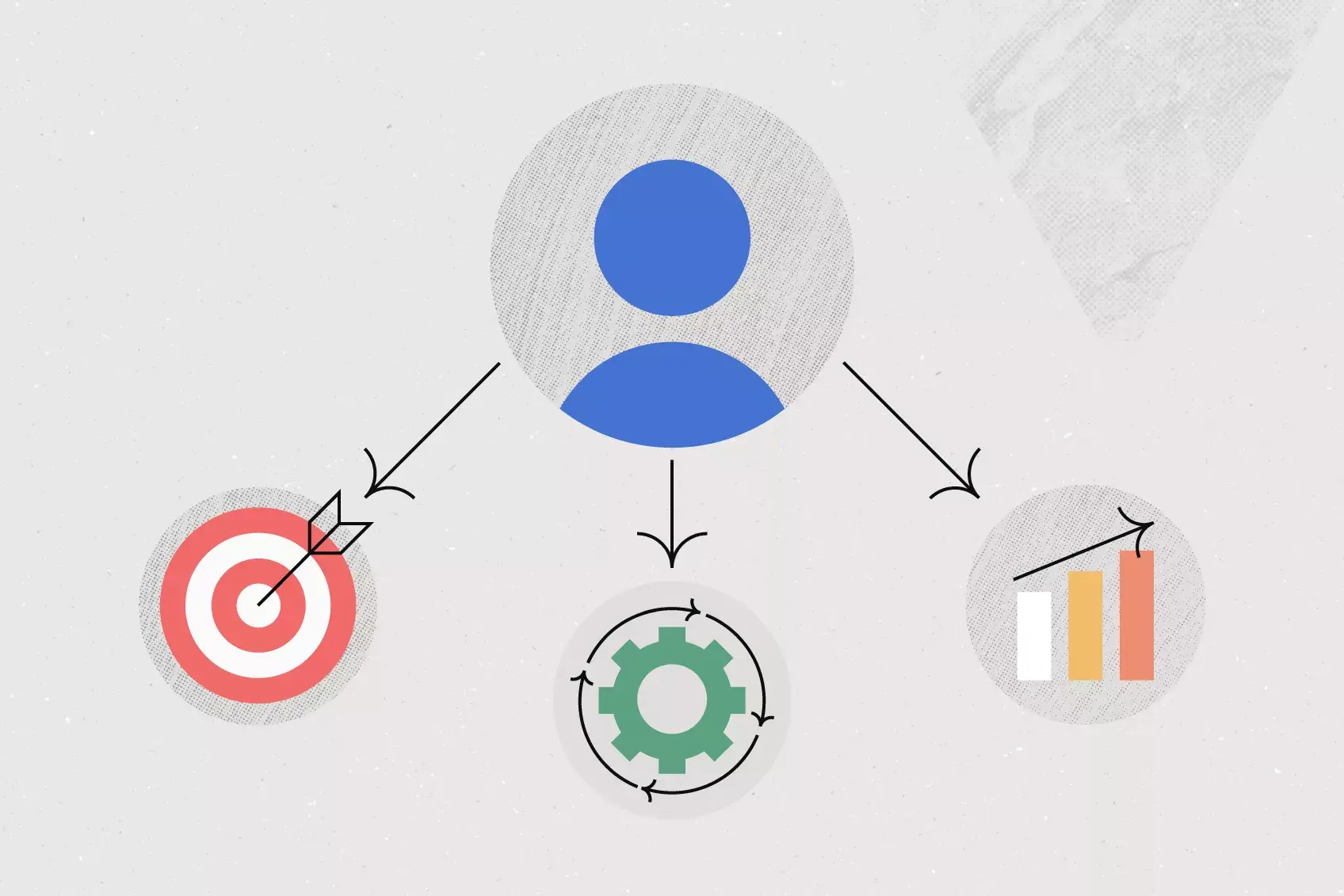
![[inline illustration] Lean project management definition (infographic)](https://assets.asana.biz/transform/710e3f87-6b7d-486b-83fd-5c186f27053f/inline-project-management-lean-project-management-1-2x?io=transform:fill,width:2560&format=webp)
Master AI-Powered Workflow Optimization
Ready to revolutionize your team's productivity with AI you can trust? Join industry leaders from Asana and Anthropic to learn proven strategies for implementing AI across your workflow stages and unlock the full potential of Asana's AI Studio.
What is lean project management?
Lean project management is a methodology that maximizes customer value by eliminating waste from every stage of the project lifecycle. The core premise is simple: provide what is needed, when it is needed, with the minimum amount of materials, equipment, labor, and space.
Key characteristics of lean project management include:
Value-focused: Every activity must contribute directly to what the customer needs.
Waste elimination: Teams systematically identify and remove non-value-adding steps.
Continuous improvement: Processes are regularly questioned and optimized.
This mindset shift helps organizations reduce costs, shorten delivery times, and improve customer satisfaction.
How was the lean project management methodology created?
Japanese engineers at Toyota invented the Toyota Production System (TPS) between 1948 and 1975. This system improved manufacturing, enhanced supplier and customer interactions, and eliminated waste.
Key milestones in lean's development:
1948–1975: Toyota develops TPS, the foundation of lean methodology.
1988: John Krafcik coins "lean production" in his article "Triumph of the Lean Production System" for his MIT thesis.
1990: "The Machine That Changed the World" popularizes lean principles globally.
Dr. Jeffrey K. Liker's book "The Toyota Way" later explained how companies can apply TPS principles across industries. Today, lean project management has influenced methodologies including Agile, Kanban, and Scrum. Lean remains one of the five widely recognized project management methodologies alongside Waterfall, Agile, Scrum, and Kanban, continuing to shape how teams deliver value efficiently.
Read: Waterfall vs. Agile vs. Kanban vs. Scrum: What's the difference?5 principles of lean project management
The five principles of lean project management are: identify value, map the value stream, create flow, establish pull, and pursue continuous improvement. Use these steps to reduce waste, stay within project scope, and meet critical success factors.
![[inline illustration] Lean project management principles (infographic)](https://assets.asana.biz/transform/ad548199-171c-48b7-9adf-c7f1defd1df2/inline-project-management-lean-project-management-2-2x?io=transform:fill,width:2560&format=webp)
1. Identify value
The first core principle in the lean project management process is to identify your product value. To do this, you need to know your stakeholders. Sometimes you'll be creating project deliverables for internal stakeholders, while other times you'll have a customer who's an external stakeholder.
An internal stakeholder is a project shareholder who monitors a product's development because they have a stake in its success.
An external stakeholder is a customer who buys the product or service and is affected by its quality.
Once you know who you're building your product for, you can better determine how to make it valuable. Product value to a customer may mean solving a customer problem or making the customer's life easier.
2. Map the value stream
Value stream mapping (VSM) is the next principle in lean project management. VSM is a visual tool that involves diagramming your current and ideal workflows from project initiation to completion.
When comparing the two workflows, you can identify waste across each project management phase to maximize efficiency.
Toyota identified types of waste you may find through VSM in lean manufacturing, but in parentheses, you can see how these items may translate to other industries:
Overproduction (Unnecessary features): Overproduction and unnecessary software features can lead to additional costs, such as excess storage, wasted materials, and useless inventory.
Inventory (Mismanaged backlog): Inventory waste, incomplete work, and mismanaged backlogs all incur unnecessary costs for storage, transportation, and additional work to complete.
Motion (Task switching): Motion waste is the unnecessary cost of internal motion by people or machines. This can take the form of redundant processes or an overabundance of business apps. In fact, the average knowledge worker switches between 10 and 25 apps per day, but 27% of workers say actions and messages are missed when switching apps.
Defects (Technical debt): Defects can lead to costly repairs and material loss. Technical debt can result in wasted time.
Over-processing (Expensive tools): Over-processing can lead to unnecessary costs, like upgrading a product that users didn't ask for or don't need. Similarly, money spent on expensive tools can be wasted if they aren't worth it.
Waiting: Waiting waste is the cost resulting from delayed timelines in final product deliverables.
Transport: Transport waste is similar to motion waste and addresses external movement, such as unnecessary movement of products and materials.
Fragmented teams: Fragmented teams can result in wasted costs due to miscommunication, unnecessary meetings, and weak collaboration.
VSM is the most important step in lean project management. Without it, you won't have the visualization you need to notice flaws in your project life cycle and improve product quality for customers.
3. Create flow
In this step, you'll rework your project management plan to be more efficient by removing the waste you identified in step two. Break down every stage of product development and reconfigure steps as needed. Use project milestones as checkpoints to ensure new waste doesn't develop as the project progresses.
For example, imagine you identified in step two that you have a mismanaged backlog and a delayed timeline due to a bottleneck in team member scheduling. This is where you'll determine how to remove those pain points and piece your project plan back together.
Establishing open communication with your team members is the best way to ensure your VSM was worth the effort. Once you've taken time to identify and remove waste, your team can work together to prevent future inefficiencies.
4. Establish pull
Establishing pull means pulling work from the previous process stage as work is completed. This concept originated in manufacturing to help factories meet the exact demands of their customers with a "just-in-time" inventory system. A pull system is also helpful in other industries because it keeps your workflow moving efficiently.
Example of a pull system in software development:
The tech designer finishes their task and flags the product for review.
The review flag signals the coding stage to begin.
Your coder finishes their task and flags the product for review.
The review flag signals the start of testing.
The product tester finishes their task and flags the product ready for final review.
You conduct a final review of the product.
Establishing pull can help teams across industries by keeping work moving smoothly through the project life cycle. Industries that produce customer-facing products will benefit from this system if they use pull signals to work backwards.
5. Continuous improvement
Lean project management isn't a one-time thing; rather, it's an iterative process. Striving for perfection is the fifth principle, which involves continuous improvement of your workflow.
Whether your customer is an internal or external stakeholder, their demands will be ever-changing. This means you'll need to assess your product's value regularly and analyze your workflow for waste.
Boost productivity with AsanaTypes of waste that lean project management eliminates
Lean methodology identifies eight types of waste: defects, overproduction, waiting, non-utilized talent, transportation, inventory, motion, and extra processing. These categories apply across industries and project types:
Defects: Errors that require rework, repairs, or corrections. In knowledge work, this includes bugs, mistakes in deliverables, or miscommunication that leads to redoing tasks.
Overproduction: Creating more than what's needed or before it's needed. This includes unnecessary features, excessive documentation, or the addition of functionality no one requested.
Waiting: Time lost when work, information, or approvals are delayed. This includes waiting for feedback, resources, or dependencies from other teams.
Non-utilized talent: Failing to leverage team members'skills, knowledge, or creativity. This happens when people aren't empowered to contribute ideas or take ownership.
Transportation: Unnecessary movement of materials, documents, or information between locations or systems.
Inventory: Excess work in progress, unfinished tasks, or mismanaged backlogs that tie up resources without delivering value.
Motion: Unnecessary movement or task switching by team members. This includes toggling between too many apps or attending redundant meetings.
Extra processing: Doing more work than required to meet customer needs, such as over-engineering solutions or adding features that don't add value.
By identifying and addressing these wastes in your projects, you can streamline workflows, reduce costs, and deliver more value to your stakeholders.
Why lean management is important
Industries such as IT, construction, and education have adopted the lean methodology due to its many benefits. Lean project management can improve product value by streamlining processes.
Other benefits of lean management include:
Increased innovation: Improves the project by sparking creativity
Reduced waste: Reduces physical waste and waiting times between production steps, while also minimizing overproduction and over-processing
Enhanced customer service: Provides what the customer needs, nothing more, nothing less
Better lead times: Results in faster response times and fewer delays
Higher quality products: Minimizes product defects by adding quality checks
Improved inventory management: Prevents setbacks by monitoring inventory
Whether your company serves internal or external stakeholders, adopting lean thinking can simplify your processes and build a more efficient project team.
Lean vs. Agile: key differences
While lean and Agile methodologies share common roots and are often used together, they have distinct focuses and origins.
Aspect | Lean | Agile |
Origin | Toyota's manufacturing system | Software development practices |
Primary focus | Efficiency and waste reduction | Flexibility and iterative delivery |
Goal | Maximize value, minimize resources | Respond quickly to changing requirements |
Approach to change | Optimize existing processes | Embrace change as natural |
Measurement | Value stream efficiency | Velocity and sprint completion |
Many teams combine both methodologies. Use lean principles to eliminate waste while applying Agile practices to stay responsive to customer needs.
Lean project management tools
Use the tools below to improve your product development workflow. When striving for continuous improvement, these tools will help you and your team reduce waste, improve productivity, and increase customer value.
![[inline illustration] Lean project management tools (infographic)](https://assets.asana.biz/transform/87a00cf4-dc7e-4b0a-9b7c-76aad1ced88a/inline-project-management-lean-project-management-3-2x?io=transform:fill,width:2560&format=webp)
Deming cycle (PDCA)
The Deming Cycle, also known as PDCA (Plan-Do-Check-Act), is a four-step problem-solving method developed in the 1950s. Here are the four steps in the PDCA cycle:
Plan: Investigate your workflow and identify any problems that need to be solved.
Do: Find solutions to the problem by analyzing data or collaborating with team members.
Check: Monitor whether your solutions are effective and make improvements to your plan if needed.
Act: Apply revised solutions and assess what you've learned.
The Deming cycle is a simple process you can apply to various organizational processes. When implemented correctly, this process can significantly enhance your product's value.
Lean Six Sigma project management (DMEDI)
Lean Six Sigma is a lean management tool you can use to identify problems in your workflow. This tool follows steps similar to the Deming cycle, but it also includes methods of analysis you can use alongside it. The Lean Six Sigma steps, also known as DMEDI, are as follows:
Define: Define your project scope and plan goals
Measure: Determine how you will measure success in your project
Explore: Explore new ways to improve the project process
Develop: Develop a fool-proof project plan
Implement: Implement the project plan
The methods of analysis you can use with Lean Six Sigma include:
Value stream mapping: As mentioned above, VSM can help you visualize the phases of your project management plan and identify areas of waste.
Customer feedback surveys: Getting customer feedback is a great way to assess project issues and increase product value.
Gantt charts: Gantt charts are like bar graphs that can help you visualize project milestones.
Root cause analysis (RCA): Use RCA to discover the root causes of problems and find solutions.
Kanban: By visualizing your tasks and limiting work in progress, Kanban boards help you see how your work flows.
You can decide which lean management method to try based on your industry, your product, and your team. Regardless of which method you choose, make sure you use project management software to easily apply these methods of analysis.
Read: The 3 essential pieces to work managementStreamline your workflow with lean project management
Many companies work hard to produce high-quality products and leave their customers satisfied, but the lean methodology makes achieving these goals easier by removing bottlenecks and cleaning up production.
Regardless of which project management system you use, project management software can aid in process improvements. When you use software to streamline your processes, you can better visualize your project schedule, communicate with team members, and meet customer requirements.
Ready to put lean principles into action? Get started with Asana to visualize your workflows, reduce waste, and keep your team focused on work that matters.
Boost productivity with Asana